
Keto Lemon Bread
I started making this loaf out of pure stubbornness. Every keto lemon bread I’d tried up to that point came out either bone dry or tasting like a candle, heavy on “lemon flavoring” and light on anything resembling an actual lemon.
After four test batches, one of which sank so badly in the middle it looked like a bowl, I landed on this version, and it’s the one I’ve made on repeat ever since.
The trick turned out to be sour cream. It’s not a glamorous ingredient, but it’s the reason this bread stays soft on day three instead of turning into a brick the moment it hits the fridge.
That, plus real lemon zest and not just juice, because the zest is where almost all the actual lemon flavor lives.

This loaf is low carb, gluten free, and sugar free, but it doesn’t taste like a “diet” version of anything. It tastes like lemon bread.
My husband, who isn’t doing keto at all, has eaten more of this than I have, which is the only review that’s ever mattered to me.
I’ve included everything I’ve learned from probably fifteen batches of this recipe: what went wrong the first few times, the substitutions I’ve actually tested myself, and the small details that make the difference between a loaf that’s fine and one people ask you to make again.
Why This One Works (When So Many Keto Breads Don’t)

It’s actually moist. Almond flour has a reputation for turning baked goods dry and crumbly, and honestly, it’s earned that reputation.
The fix here is a combination of melted butter, sour cream, and room temperature eggs. Skip the room temperature part and the batter won’t emulsify as smoothly, and you’ll notice it in the final texture.
The lemon flavor is real, not implied. No lemon extract required, no shortcuts. Just juice and a generous amount of zest.
It only takes two bowls. Dry ingredients in one, wet in the other, combine, bake. No mixer required, no special equipment beyond a loaf pan and a zester.
What Makes the Texture Different
Most almond flour quick breads split into one of two camps: dense and wet in the middle, or dry enough to double as a coaster.
This one avoids both because of a ratio I landed on after the third failed attempt. Enough almond flour to hold structure, but not so much that it turns gummy, balanced against enough fat from the butter and sour cream to keep it tender for days.
The lemon zest matters more than people expect. Zest carries the oils from the lemon peel, which is where the actual aromatic flavor lives.
Juice alone gives you tartness but not much scent or depth. If you’ve ever had a lemon dessert that tasted fine but forgettable, it probably skipped the zest, or didn’t use enough of it.
Ingredients

- Almond flour, finely ground and blanched. Almond meal, the coarser, unblanched version, will make the loaf heavy and slightly gritty. I learned that one the hard way on my second attempt.
- Baking powder, for lift.
- Salt, in a small amount, but don’t skip it. It’s what keeps the lemon flavor from tasting flat.
- Unsalted butter, melted, for richness and moisture.
- Granulated keto sweetener, something that measures cup for cup like sugar, such as an erythritol or erythritol monk fruit blend.
- Eggs, room temperature. Cold eggs will make the melted butter seize into little clumps. If you forget to set them out, run them under warm water for a couple of minutes.
- Sour cream, full fat. This is the moisture insurance policy for the whole recipe.
- Fresh lemon juice. Bottled juice works in a pinch but tastes noticeably flatter.
- Lemon zest, the real flavor driver. Don’t skip it and don’t skimp on it.
- Vanilla extract, which rounds out the tartness so the loaf doesn’t taste one note.
Substitutions I’ve Actually Tested
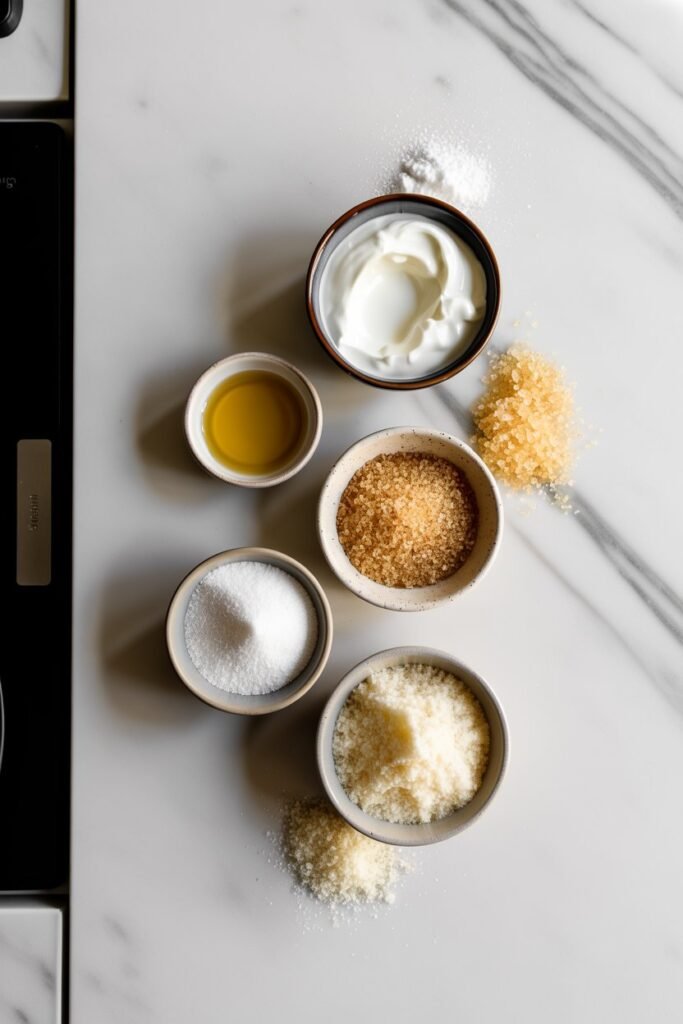
No sour cream? Full fat Greek yogurt works and keeps this technically keto, though it makes the crumb very slightly tangier.
Dairy free? Melted coconut oil in place of butter, plus a dairy free sour cream alternative. The texture is a touch denser but still good.
Different sweetener? Monk fruit blends work fine. Allulose works too, but it makes the loaf noticeably softer, almost fudgy at the edges, so give it a few extra minutes in the oven if you go that route.
Want it more lemony? A few drops of lemon extract on top of the fresh juice and zest, if you want it borderline aggressive. I do this about half the time.
Kitchen Tools You’ll Need
- 8×4 inch loaf pan
- Mixing bowls
- Measuring cups and spoons
- Whisk
- Rubber spatula
- Microplane or citrus zester
- Cooling rack
- Parchment paper
- Toothpick for checking doneness
How to Make Keto Lemon Bread
Step 1: Prep the Oven and Pan
Preheat to 350°F (175°C). Grease an 8×4 inch loaf pan or line it with parchment. I use parchment because it makes lifting the whole loaf out in one piece so much easier.
Step 2: Mix the Dry Ingredients
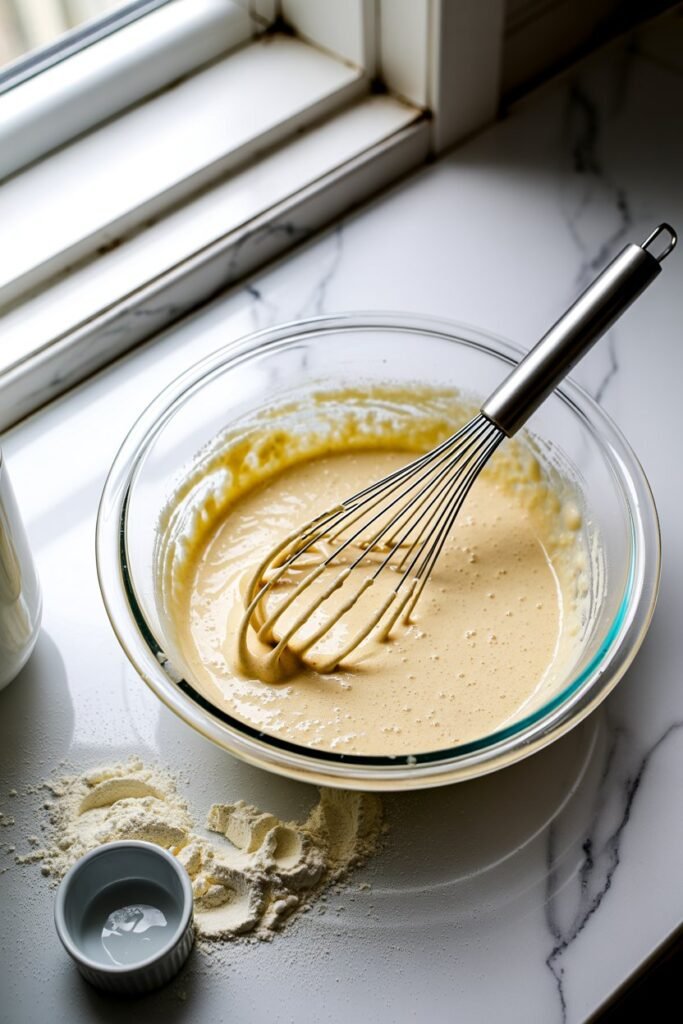
Whisk together the almond flour, baking powder, and salt in a medium bowl. Whisk it more than feels necessary.
You want the baking powder fully distributed so you don’t end up with one dense bite and one over risen bite.
Step 3: Mix the Wet Ingredients
In a separate large bowl, whisk together the melted butter, sweetener, eggs, sour cream, lemon juice, lemon zest, and vanilla until smooth.
Step 4: Combine
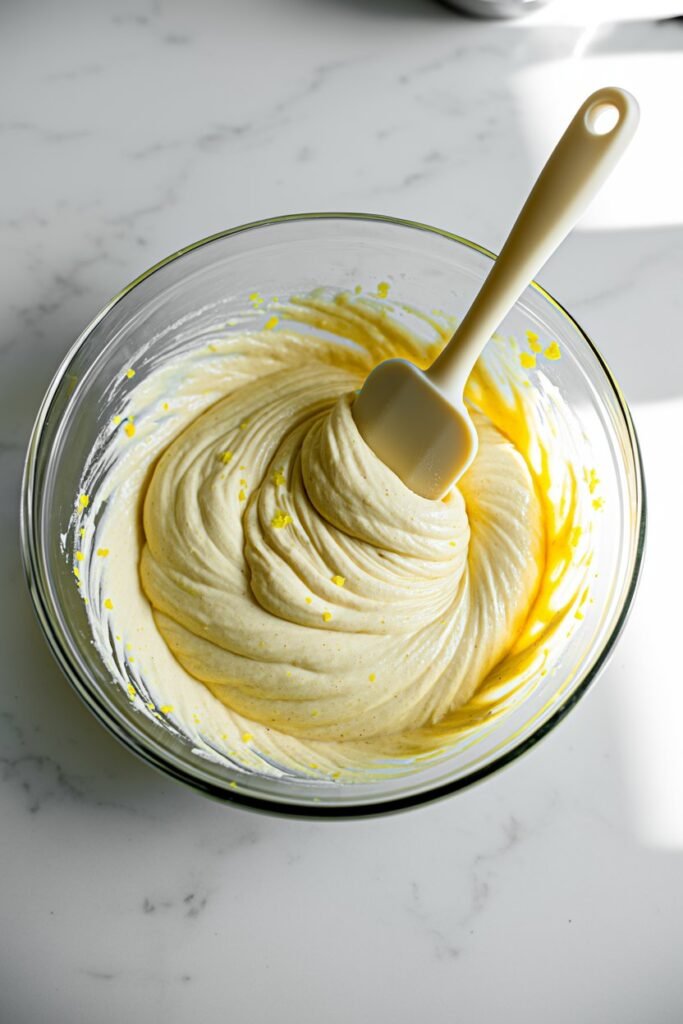
Add the dry ingredients into the wet, folding gently with a spatula until no dry flour is visible. Stop as soon as it’s combined.
Overmixing is the single most common reason this type of loaf turns dense.
Step 5: Fill the Pan
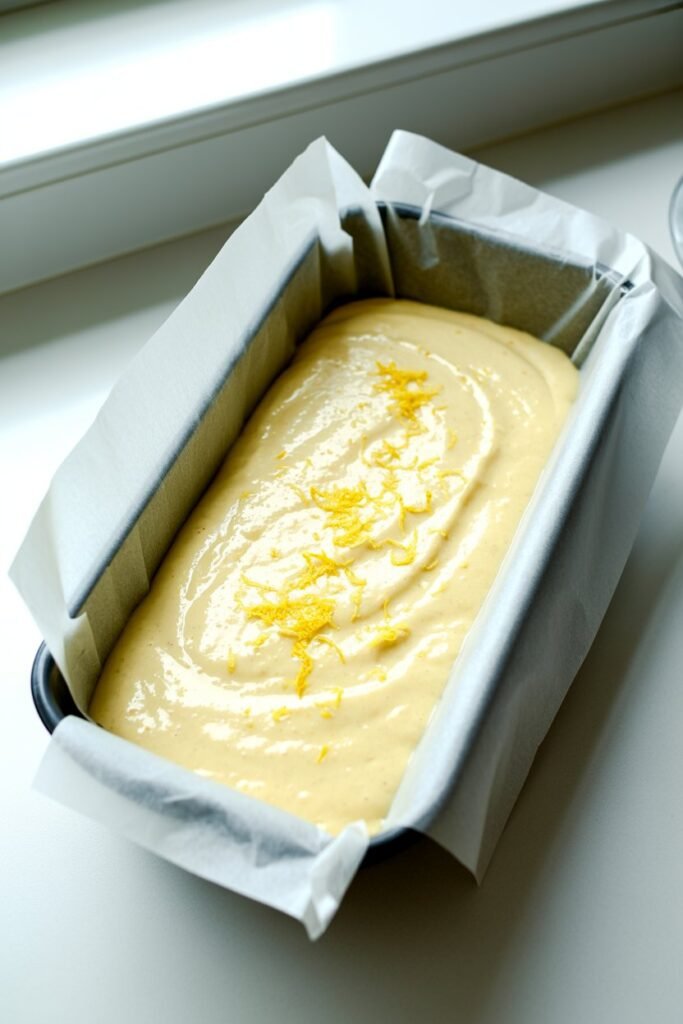
Pour in the batter, smooth the top, and if you’re feeling extra, sprinkle a little more zest over the surface before it goes into the oven.
Step 6: Bake
Bake for 45 to 55 minutes, until the top is golden and a toothpick comes out mostly clean. If the top is browning too fast before the center sets, loosely tent it with foil for the last 15 minutes.
Step 7: Cool

Let it sit in the pan for 15 minutes, then move it to a wire rack to cool completely before slicing. I know it’s tempting to cut into it warm. I still do it about a third of the time and regret it every time, because it crumbles instead of slicing clean.
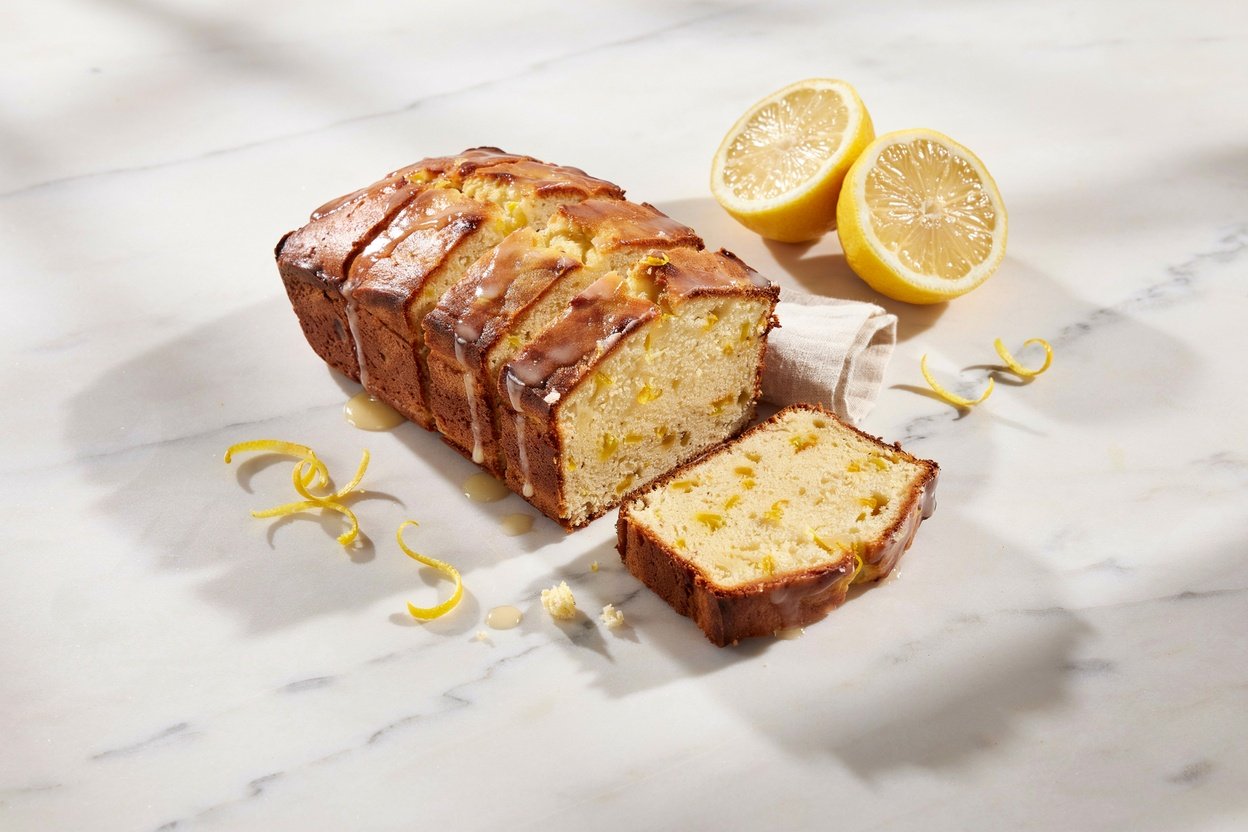
Keto Lemon Bread Recipe Card
Ingredients
Method
- Preheat oven to 350°F. Grease an 8×4 inch loaf pan or line with parchment.
- Whisk together almond flour, baking powder, and salt in a medium bowl.
- In a large bowl, whisk melted butter, sweetener, eggs, sour cream, lemon juice, lemon zest, and vanilla until smooth.
- Fold dry ingredients into wet until just combined.
- Pour batter into the pan and smooth the top.
- Bake 45 to 55 minutes, until a toothpick comes out with a few moist crumbs.
- Tent with foil during the last 15 minutes if the top browns too fast.
- Cool in the pan for 15 minutes, then transfer to a wire rack to cool completely before slicing.
Notes
- Zest matters more than juice for flavor. Don’t skip it.
- Use finely ground almond flour, not almond meal.
- Cool completely before slicing or it will crumble.
- Refrigerator: up to 5 days. Freezer: up to 3 months.
Tips From Making This More Times Than I’ll Admit
- Use real lemons. Bottled juice is fine in an emergency, but the flavor is flatter and less bright.
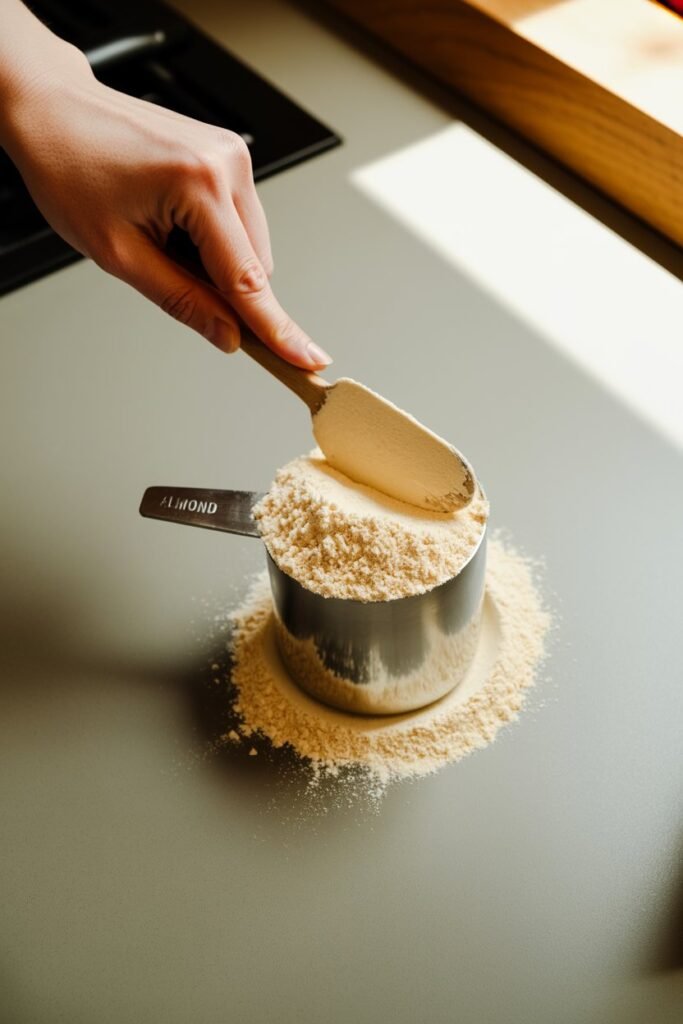
- Spoon and level your almond flour. Scooping straight from the bag packs it down, and you’ll end up with too much, which dries out the loaf.
- Room temperature ingredients matter more here than in regular baking. Almond flour batters are less forgiving of temperature shocks.
- Don’t chase a fully clean toothpick. Almond flour keeps cooking a bit after it leaves the oven. A few moist crumbs on the toothpick is exactly right. Wait for it to come out bone dry and you’ll overbake it.
- Let it cool all the way. This is the step people skip and then blame the recipe for crumbling.
Mistakes I’ve Made So You Don’t Have To
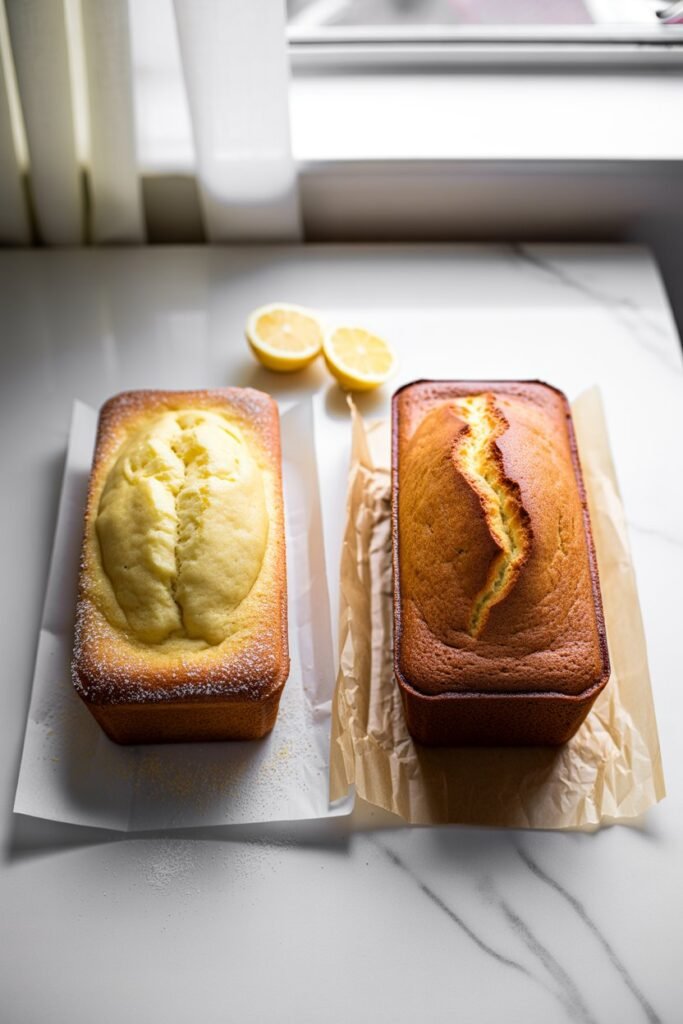
Grabbing almond meal instead of almond flour. They’re not interchangeable. Almond meal has the skins left on and makes a coarser, heavier loaf.
Skipping the zest because I was in a hurry. The lemon flavor was noticeably flatter. Don’t do this.
Opening the oven at the fifteen minute mark to check on it. The loaf sank in the middle. Wait until at least the thirty minute mark before you even glance in there.
Slicing it warm because I have no self control. Addressed above. Still happens more often than I’d like to admit.
Troubleshooting

My bread sank in the middle. This is almost always one of three causes: the oven door got opened during the first 30 minutes, the batter was overmixed once the dry ingredients went in, or the loaf came out slightly underbaked. Check with a toothpick before pulling it, and try to resist peeking early.
My loaf is too dense or gummy in the center. Usually a measuring issue. If you scooped the almond flour straight from the bag instead of spooning it into the cup and leveling it off, you likely packed in more flour than the recipe calls for, which throws off the ratio.
It can also happen if the loaf came out slightly underbaked, since almond flour needs a bit more time than wheat flour to fully set in the center.
It’s dry instead of moist. This usually means it overbaked. Almond flour breads firm up a lot as they cool, so pull the loaf as soon as the toothpick shows a few moist crumbs, not when it’s completely clean.
It can also happen if the almond flour was measured too generously, or if the butter and sour cream were slightly under-measured.
The top browned too fast but the middle was still raw. Tent the loaf loosely with foil around the 30 to 35 minute mark next time. Ovens vary, and almond flour batters tend to brown on top before the center fully sets.
It crumbled apart when I sliced it. Almost always a cooling issue rather than a recipe issue. Keto breads made with almond flour continue to firm up as they cool, so slicing while it’s still warm, or even just slightly warm, will cause it to fall apart. Let it cool completely on a wire rack, even if that means waiting an hour or more.
The lemon flavor is weak. Check whether you used fresh zest, not just juice. Zest carries most of the aromatic flavor, and skipping it or using too little is the most common reason this bread tastes flat. Bottled lemon juice instead of fresh can also mute the flavor.
The batter looked curdled or separated before baking. This usually happens when the eggs or sour cream were cold and hit the melted butter, causing it to seize into small clumps. It won’t ruin the loaf, but for a smoother batter next time, let your eggs and sour cream sit out until they’re closer to room temperature before mixing.
My muffins or loaf stuck to the pan. Almond flour baked goods are more prone to sticking than wheat-based ones because they contain less structure and more fat. Use parchment paper for a loaf, or grease a muffin tin generously, including the top edges, not just the wells.
Recipe Variations

Keto Lemon Blueberry Bread. Fold in half a cup of fresh or frozen blueberries right before baking. If using frozen, don’t thaw them first, or you’ll end up with purple streaks through the whole loaf. Not the worst outcome, but not what you’re going for.
Lemon Poppy Seed Bread. Add one tablespoon of poppy seeds for the classic bakery combination.
Keto Lemon Coconut Bread. Mix in a quarter cup of unsweetened shredded coconut.
Lemon Cream Cheese Swirl. Drop spoonfuls of sweetened cream cheese over the batter and swirl with a knife before baking.
Glazed Keto Lemon Bread. Once fully cooled, drizzle with a simple glaze made from powdered keto sweetener whisked with fresh lemon juice.
What to Serve With It

- Hot coffee, my go to
- Herbal or unsweetened iced tea
- Fresh berries on the side
- A dollop of keto whipped cream if you’re treating it as dessert
- Scrambled eggs and bacon if you’re eating it for breakfast, which I do more often than I probably should
Storage
Refrigerator. Cool completely, then wrap tightly or store in an airtight container. Good for up to five days.
Freezer. Wrap individual slices and freeze for up to three months. Thaw overnight in the fridge, or leave at room temperature for about thirty minutes.
Reheating. Ten to fifteen seconds in the microwave, or five minutes in a 300°F oven. Don’t overdo it. Almond flour breads dry out fast if you reheat them too long.
Make Ahead Notes
Honestly, this loaf is better the next day. The lemon flavor settles in overnight. If you’re making it for guests, bake it the day before and add the glaze right before serving so it doesn’t get absorbed into the crumb.
Frequently Asked Questions
Is this actually low carb? Yes. Almond flour and a keto sweetener instead of wheat flour and sugar bring it down to about 5 grams of net carbs per slice.
Can I substitute coconut flour for almond flour? No. Coconut flour absorbs far more liquid, so a direct swap won’t work. It would need a completely different ratio to succeed.
Why did mine sink in the middle? Almost always one of three things: the oven door got opened too early, the batter got overmixed, or it came out slightly underbaked.
How do I know it’s done? Insert a toothpick into the center. A few moist crumbs is right. Wet batter clinging to it means it needs more time.
Can I make muffins instead of a loaf? Yes. Divide the batter into a lined muffin tin and bake at 350°F for 20 to 25 minutes, checking a bit early since muffins bake faster than a full loaf.
Mine feels crumbly. Did I do something wrong? Probably not. It likely just needs more cooling time. Almond flour bakes continue to firm up as they cool, and slicing too early is the most common cause of crumbling.
Can I add nuts? Yes. Chopped pecans or walnuts, about half a cup folded in before baking, work well.
Final Thoughts
I’ve made a lot of keto baked goods that were fine. Edible, technically dessert, forgettable. This one isn’t that.
It’s the one I keep coming back to, and the one I actually make when someone’s coming over and I want to serve something that doesn’t taste like a compromise.
If you try it, let me know in the comments what variation you went with. I’m always looking for an excuse to make another loaf.