
Low Carb Cabbage Carbonara Recipe
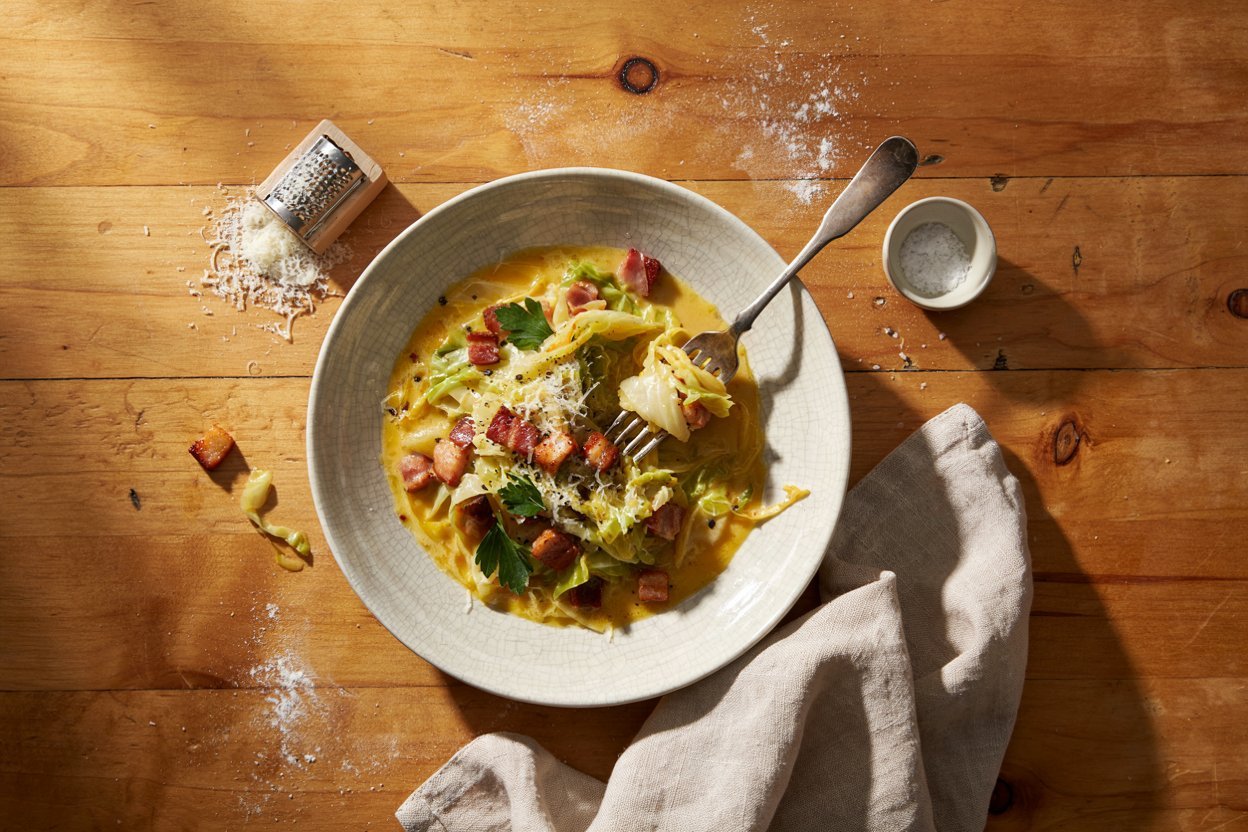
Real carbonara is one of those dishes that’s actually very simple once you understand the technique, and it turns out that simplicity is exactly what makes it so easy to adapt to a low carb version.
Swap the pasta for thinly sliced cabbage, keep everything else true to the traditional method, egg, cheese, cured pork, and black pepper, no cream involved, and you end up with something that tastes remarkably close to the real thing while keeping the carbs down to almost nothing.
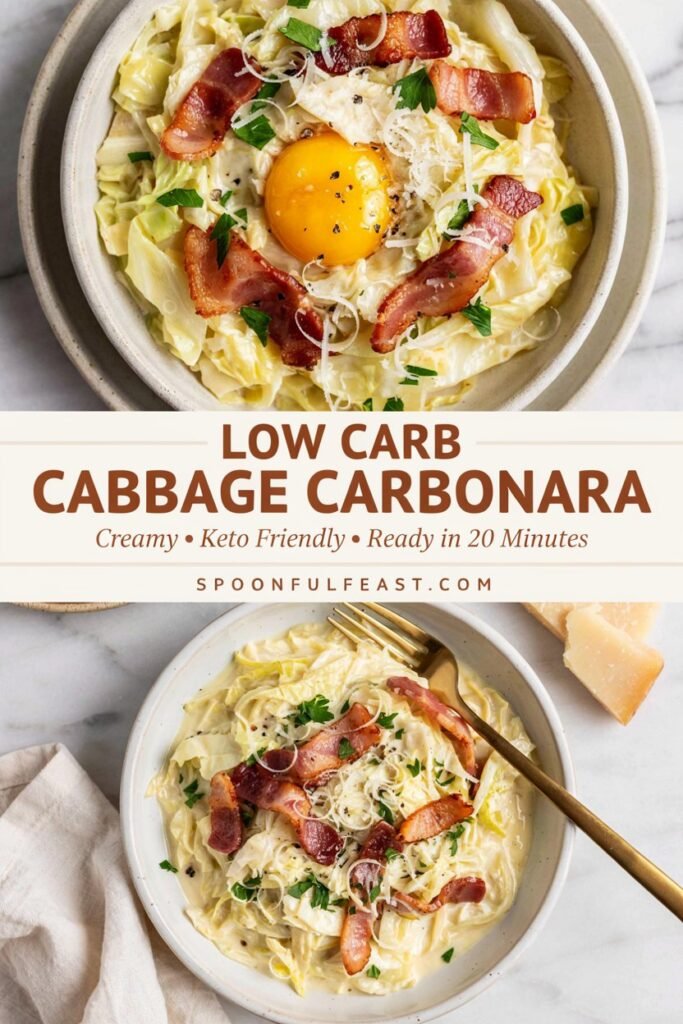
The part people usually get wrong with carbonara, low carb or otherwise, is the egg sauce itself. Add it to a pan that’s too hot and you get scrambled eggs instead of a silky, clingy sauce.
This recipe walks through the exact technique for getting that right, along with how cabbage behaves differently than pasta in terms of moisture, which matters more here than you’d expect.
I make this on nights when I want something that feels indulgent but comes together in about 20 minutes, using ingredients I almost always already have on hand.
Why This One Works
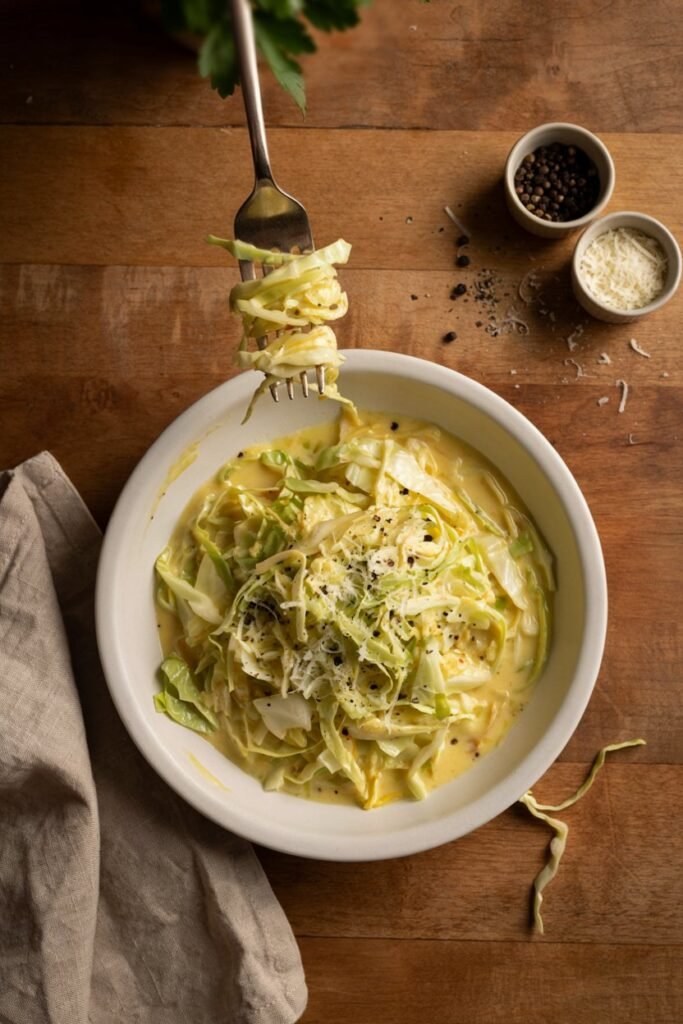
The egg sauce technique is the same as traditional carbonara. Tempering the eggs with a bit of the hot pan drippings before combining everything off direct heat is what creates a silky sauce instead of scrambled eggs, the exact same principle that makes real carbonara work.
Cabbage releases less starch than pasta, but more water. Understanding that difference and managing it properly is what keeps this dish from turning watery, which is the main risk when substituting a vegetable for pasta in a dish like this.
It uses real, traditional carbonara ingredients, not a shortcut version. No cream, no flour, just eggs, hard cheese, and cured pork, the same as the dish has always been made, just with cabbage standing in for the noodles.
What Makes the Texture Different
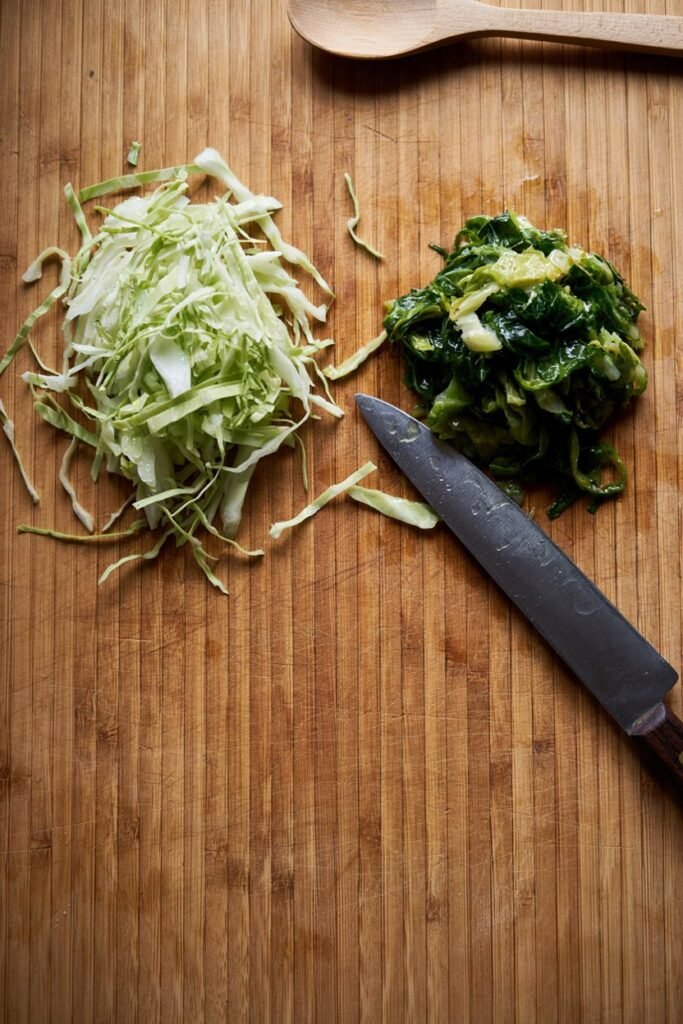
Pasta releases starchy water as it cooks, and that starch is part of what helps traditional carbonara sauce cling to the noodles and stay silky rather than separating.
Cabbage doesn’t have that starch, so this version leans more heavily on technique, specifically using a small splash of pasta water’s low carb equivalent, a bit of reserved liquid from the pan, along with proper egg tempering, to get a similarly clingy result.
Cabbage also releases a real amount of water as it cooks down, more than people expect coming from a pasta-based version of this dish. Cooking it down enough before adding the egg mixture matters a lot here, since excess liquid in the pan will thin out the sauce and prevent it from properly coating each strand.
Ingredients
- Green cabbage, thinly sliced into noodle-like strands. The base of the dish.
- Pancetta or bacon, diced. Traditional carbonara uses guanciale, but pancetta or a good quality bacon both work well and are far easier to find.
- Eggs, at room temperature. Room temperature eggs are less likely to seize up and scramble when combined with the hot pan ingredients.
- Parmesan cheese, finely grated, plus pecorino romano if you have it. The combination of both gives a rounder, saltier flavor than parmesan alone.
- Garlic. Not traditional in classic carbonara, but a small amount adds depth without overpowering the dish.
- Black pepper, freshly cracked, and a generous amount of it. This is a defining flavor of carbonara, not just a background seasoning.
- Salt, to taste, though go easy given how salty the pancetta and cheese already are.
Substitutions I’ve Actually Tested
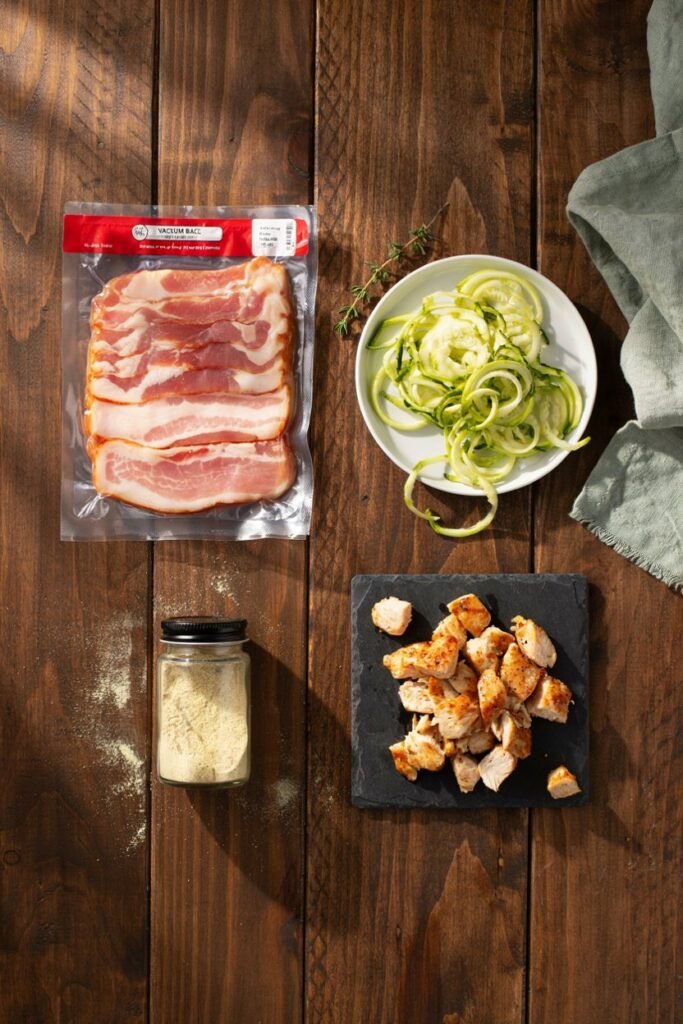
No pancetta available? A good quality thick-cut bacon works well, and honestly, it’s what I use most of the time anyway since it’s easier to find.
Want it dairy-free? This is genuinely difficult to replicate well given how central the cheese is to both flavor and sauce texture, so I’d recommend saving this particular recipe for when dairy isn’t a concern.
No fresh garlic? A small pinch of garlic powder works as a substitute, though it won’t have quite the same depth as fresh.
Want extra protein? Add some diced cooked chicken alongside the pancetta for a heartier version.
Kitchen Tools You’ll Need
- Large skillet
- Mixing bowl, for the egg and cheese mixture
- Whisk
- Sharp knife or mandoline, for slicing the cabbage thinly
- Tongs
- Fine grater, for the cheese
How to Make Low Carb Cabbage Carbonara
Step 1: Prep the Cabbage
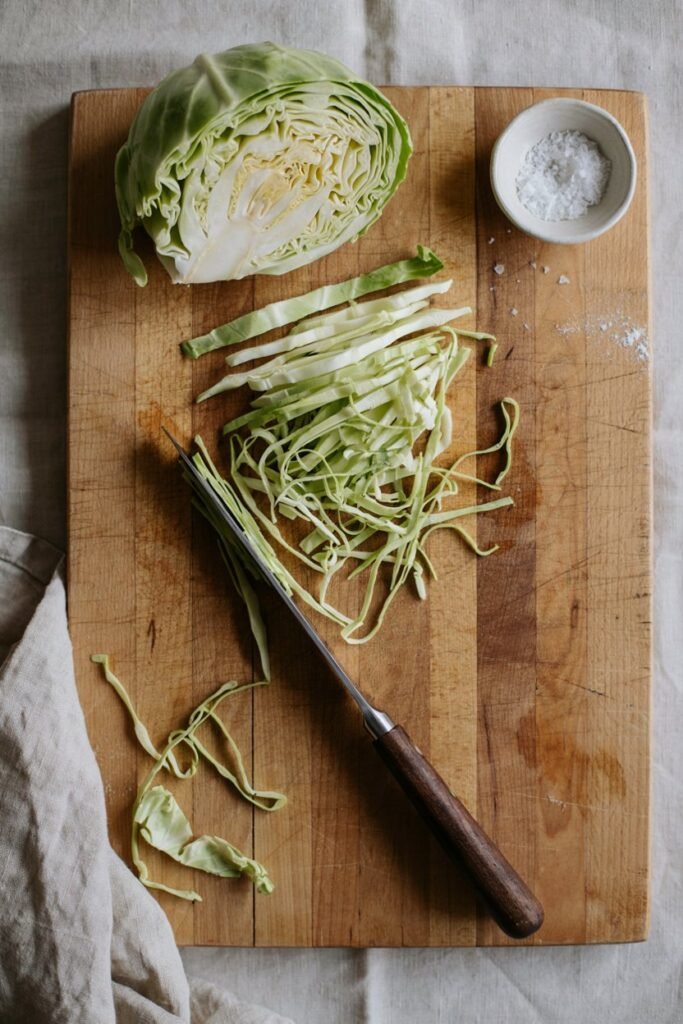
Slice the cabbage as thinly as you can manage, ideally close to the thickness of fettuccine noodles, using a sharp knife or a mandoline if you have one.
Thicker slices will take longer to soften and won’t mimic the pasta-like texture nearly as well. Set the sliced cabbage aside while you work on the pancetta.
Step 2: Whisk the Egg Mixture
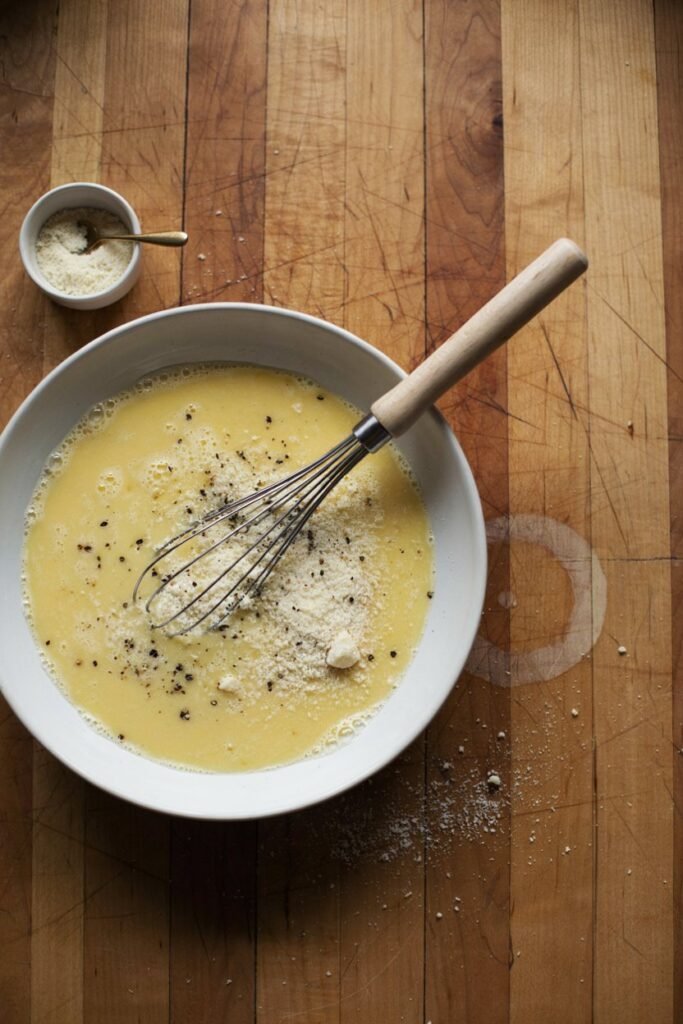
In a mixing bowl, whisk together the eggs, grated parmesan, pecorino if using, and a generous amount of freshly cracked black pepper until fully combined and slightly frothy.
Set this aside at room temperature, not in the fridge, since a cold mixture is more likely to seize when it hits the hot pan later.
Step 3: Cook the Pancetta
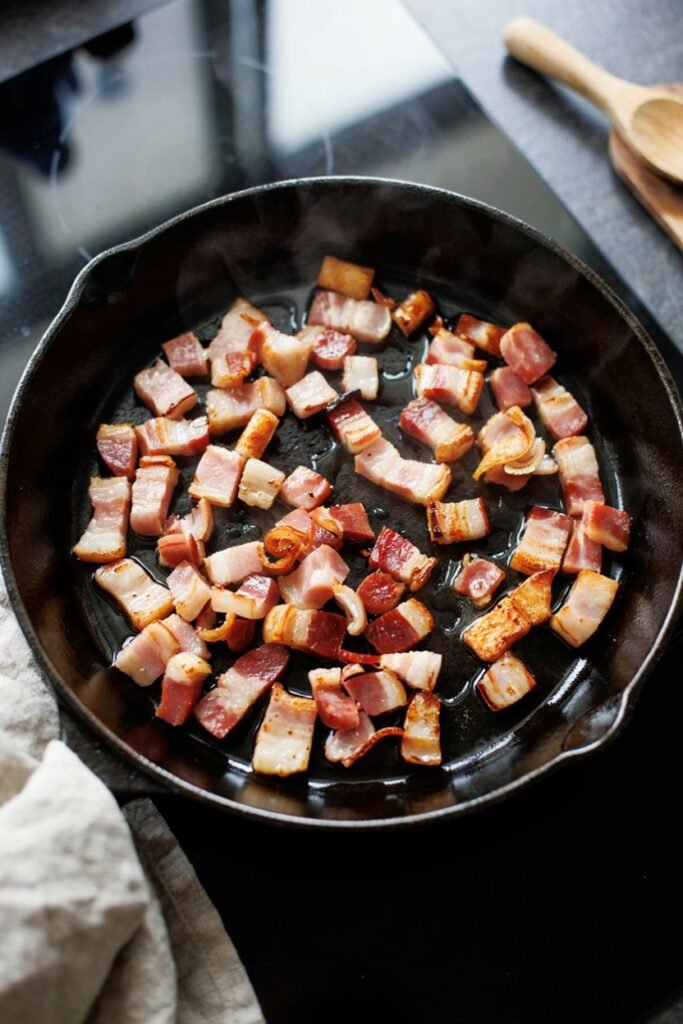
Add the diced pancetta to a large, dry skillet over medium heat, no oil needed since it renders its own fat. Cook, stirring occasionally, for about 6 to 8 minutes, until deeply golden and crisp, with a good amount of rendered fat pooling in the pan.
Don’t rush this step, since that rendered fat is a key flavor component of the finished dish, not just a cooking medium.
Step 4: Cook the Cabbage
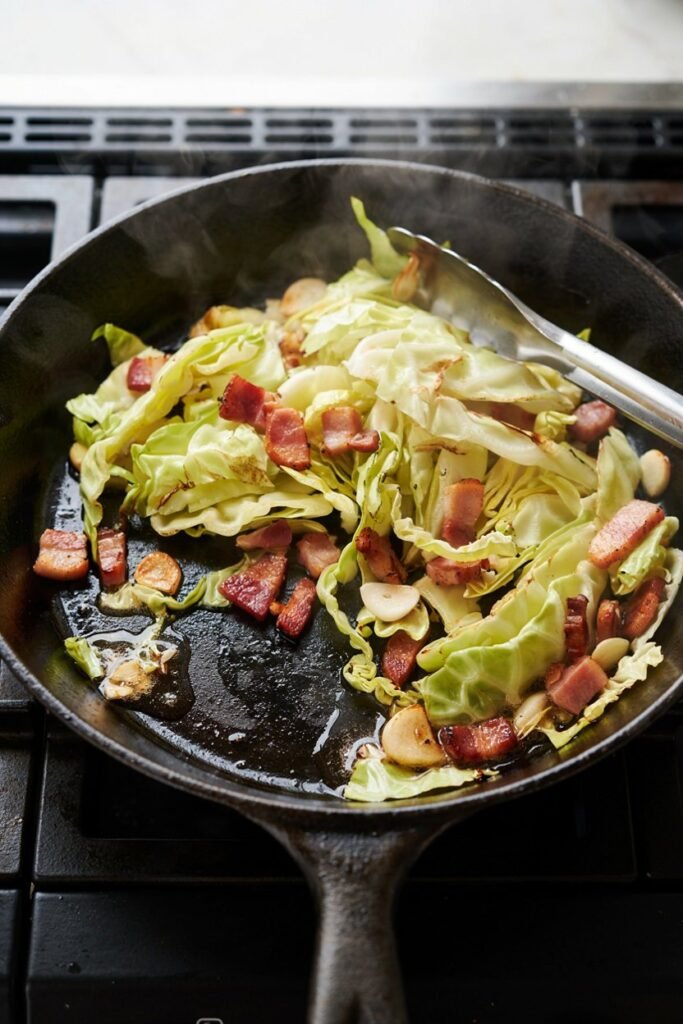
Add the sliced cabbage directly to the pan with the pancetta and its rendered fat, along with the minced garlic.
Cook, stirring frequently, for 6 to 8 minutes, until the cabbage has softened significantly and reduced down in volume, releasing much of its water in the process.
You want it tender with a slight bite left, not fully mushy, similar to how you’d cook pasta to al dente.
Step 5: Reduce the Excess Liquid
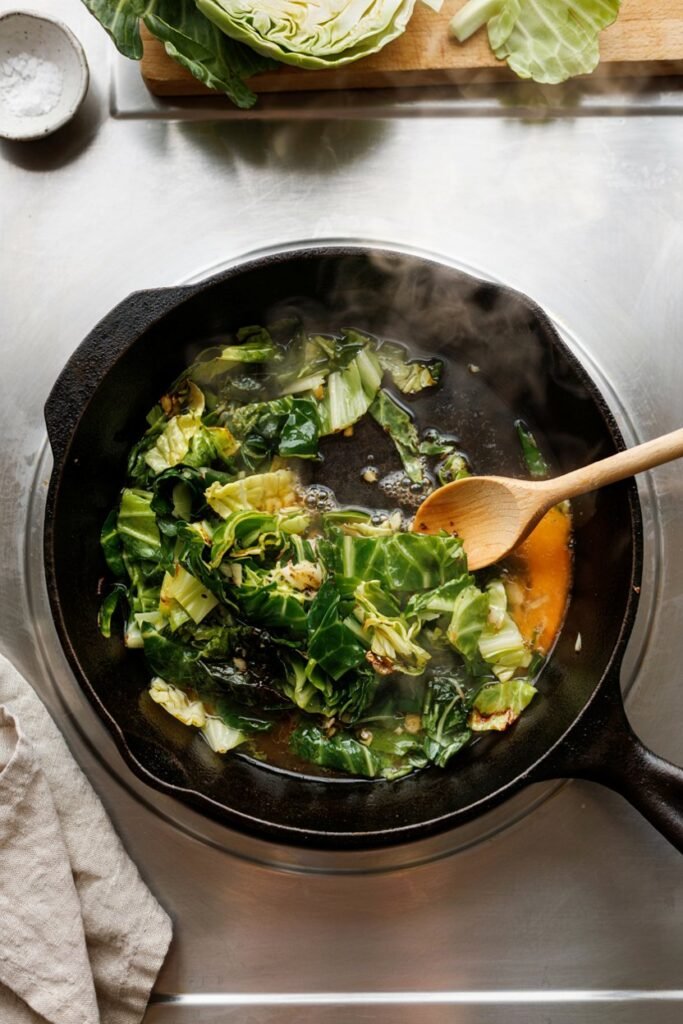
If there’s a notable pool of liquid in the pan once the cabbage has softened, let it continue cooking uncovered for another minute or two to reduce, since too much liquid at this stage will thin out the egg sauce in the next step rather than let it cling properly.
Step 6: Remove From Heat and Combine
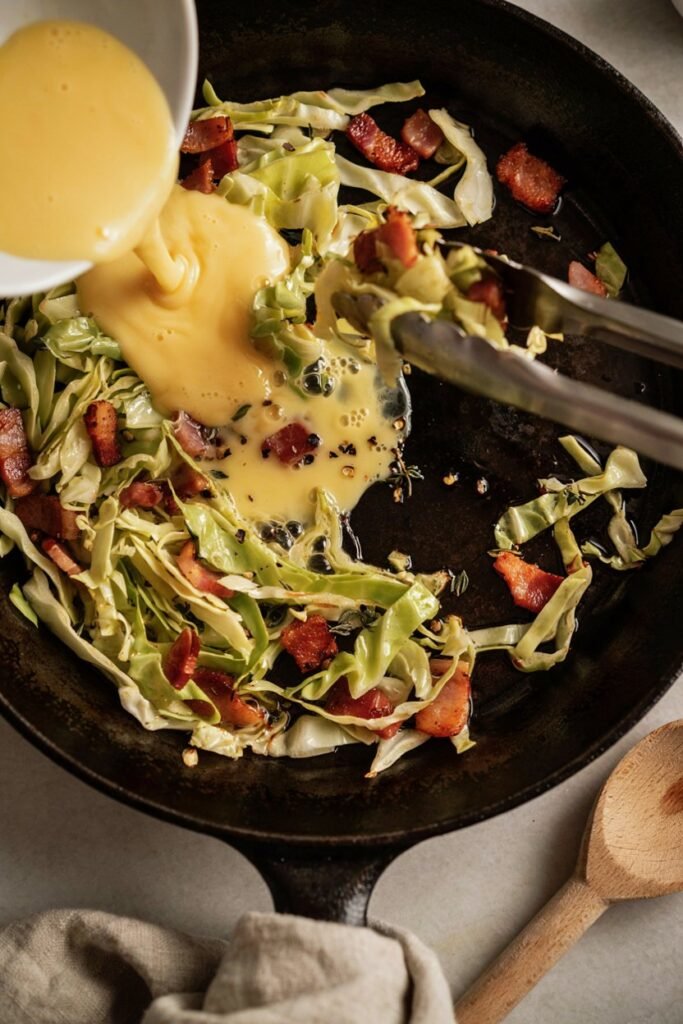
This is the step that makes or breaks carbonara. Remove the pan completely from the heat, this part matters, and let it sit for about 30 seconds so it’s no longer at a temperature that will scramble the eggs on contact.
Pour the egg and cheese mixture over the cabbage and pancetta, tossing constantly and vigorously with tongs as you go.
The residual heat from the pan and ingredients will gently cook the eggs into a silky sauce that coats everything, rather than turning into scrambled bits, as long as you’re working off direct heat and tossing continuously.
Step 7: Adjust Consistency
If the sauce looks too thick or is clumping rather than staying silky, add a small splash of the reserved liquid from cooking the cabbage, a tablespoon at a time, tossing constantly, until it loosens back up to a glossy, clingy consistency.
Step 8: Serve Immediately
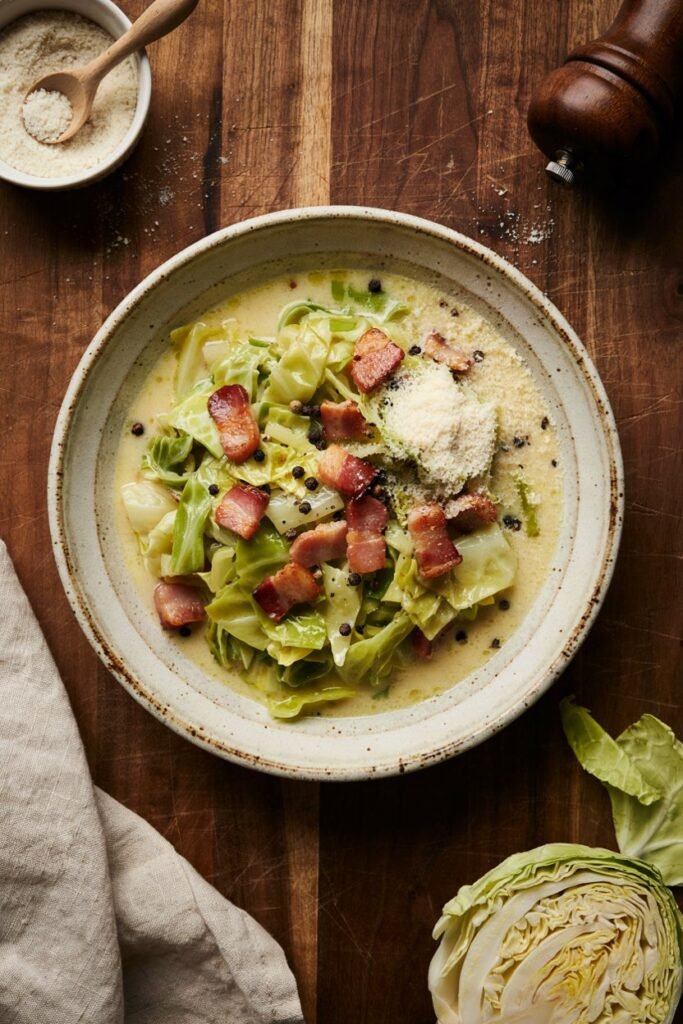
Plate right away, topped with extra grated cheese and another generous crack of black pepper. Carbonara sauce continues to firm up as it sits, so this dish is genuinely best eaten the moment it’s ready.
How I Meal Prep This
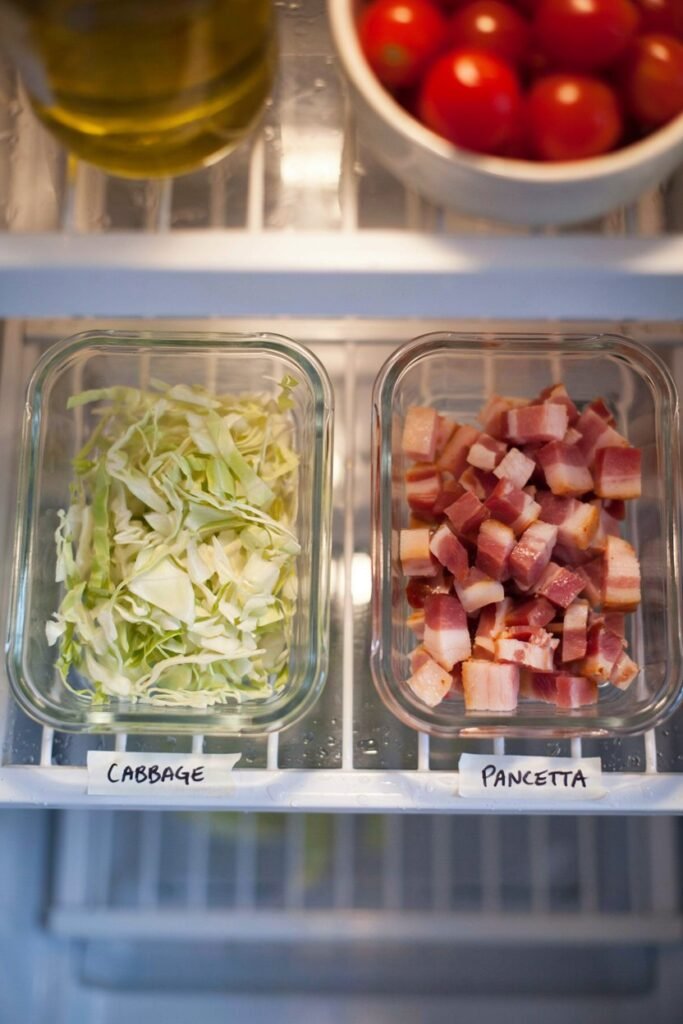
This one honestly doesn’t hold up well for traditional meal prep, since the egg sauce is at its absolute best the moment it’s made and firms up noticeably once it sits or gets reheated.
What I do instead is prep the components ahead: I slice the cabbage and store it in the fridge for up to 2 days, and I dice the pancetta ahead of time too.
That way, when I want this for dinner, the actual cooking, from pan to plate, takes under 15 minutes with almost no chopping left to do in the moment.
Tips From Making This More Times Than I’ll Admit
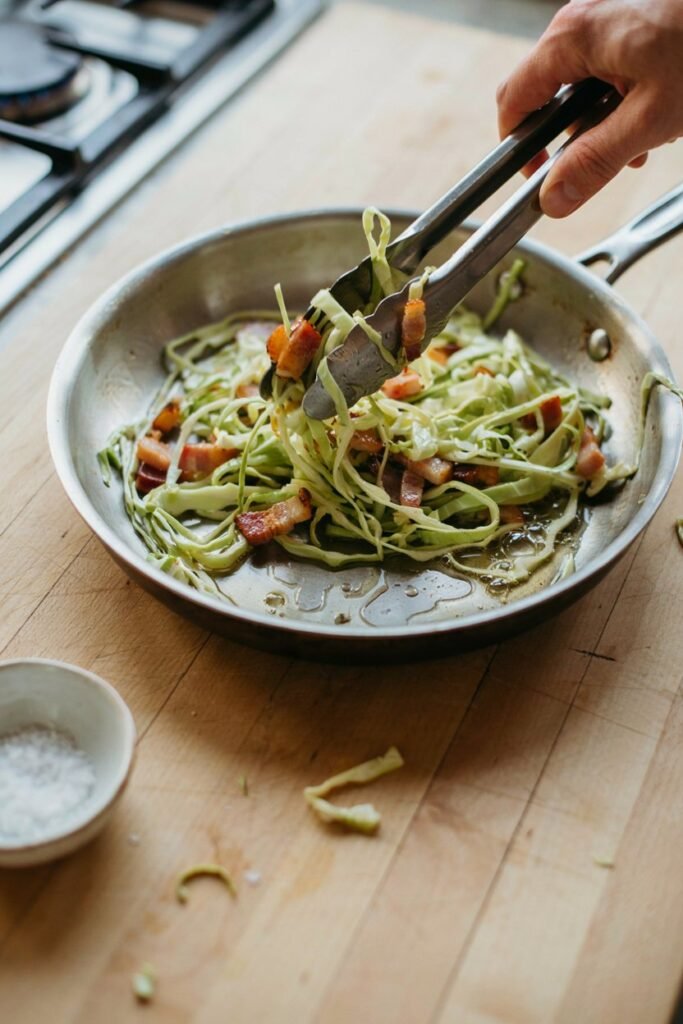
- Slice the cabbage thin. Thick slices don’t mimic pasta well and take much longer to soften properly.
- Take the pan off heat before adding the eggs, and mean it. This is the single most important step in the entire recipe.
- Use room temperature eggs. Cold eggs seize up faster when they hit the hot pan ingredients.
- Don’t skip letting the cabbage release its water. Rushing this step leads to a watery, thin sauce later.
- Toss constantly once the eggs go in. Stopping even briefly risks the eggs scrambling in one spot instead of turning into an even, silky sauce.
Mistakes I’ve Made So You Don’t Have To
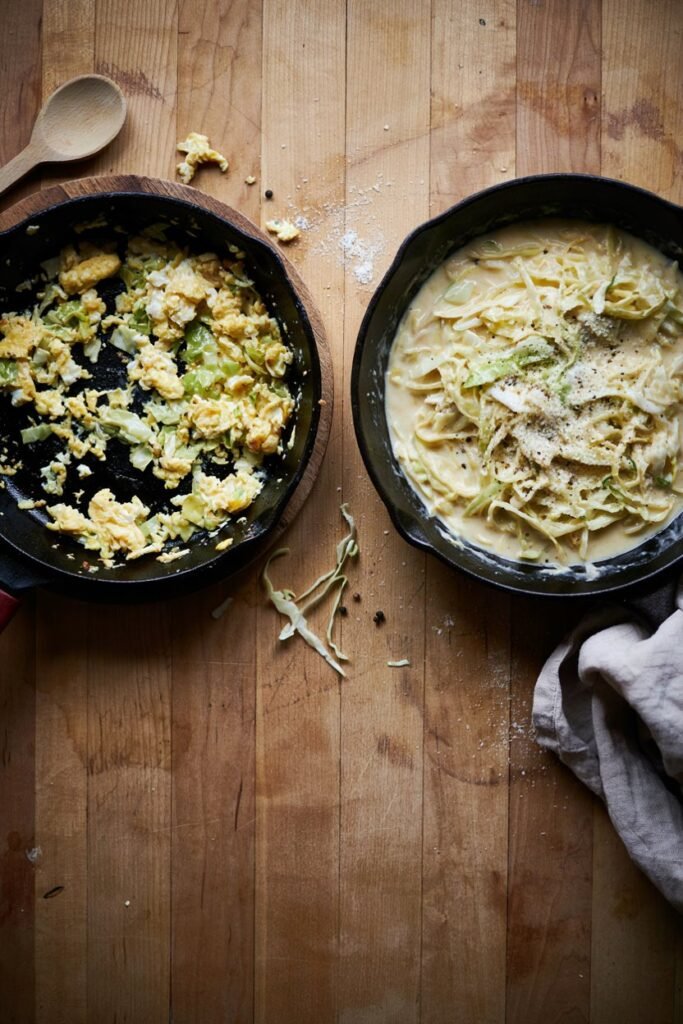
Adding the egg mixture while the pan was still on the heat. Ended up with scrambled eggs and cabbage instead of a silky sauce, essentially ruining the dish.
Slicing the cabbage too thick. It stayed crunchy and didn’t take on the pasta-like texture I was going for, even after extending the cooking time.
Not cooking off enough liquid from the cabbage before adding the eggs. The sauce turned out thin and watery instead of clinging properly.
Using cold eggs straight from the fridge. The mixture seized into small curds faster than I could toss everything together evenly.
Troubleshooting
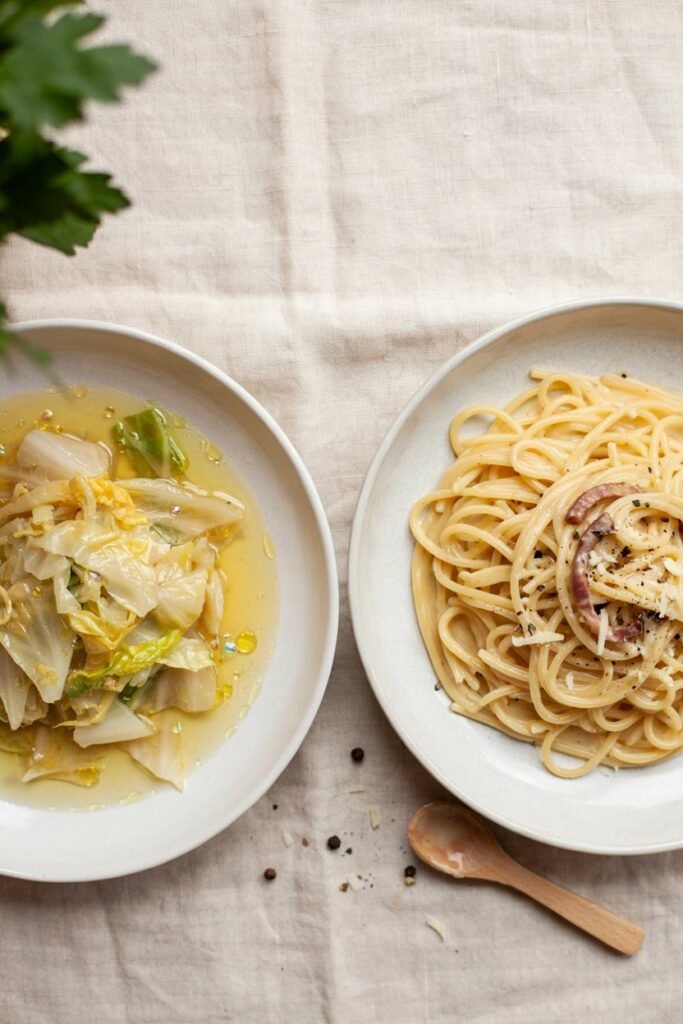
My eggs scrambled instead of forming a sauce. This almost always means the pan was still too hot when the egg mixture was added. Take the pan fully off the heat and let it sit for a moment before pouring in the eggs, and keep tossing constantly and quickly once they’re in.
My sauce turned out watery instead of clingy. This usually points to not cooking off enough liquid from the cabbage before adding the egg mixture. Let the cabbage cook a bit longer, uncovered, to reduce excess moisture next time.
The dish tasted bland. Check your amount of black pepper and cheese, both of which do a lot of the flavor work in carbonara. This dish relies on generous seasoning rather than a long ingredient list.
My cabbage stayed too crunchy. This usually means it was sliced too thick, or wasn’t cooked long enough. Aim for thin, pasta-like strands and give it the full cooking time to soften properly.
The sauce was clumpy instead of smooth. This can happen if the eggs were added too quickly to too-hot a pan, or if the mixture wasn’t whisked thoroughly beforehand. A small splash of the reserved cabbage liquid, added while tossing, can help smooth things back out.
Recipe Variations
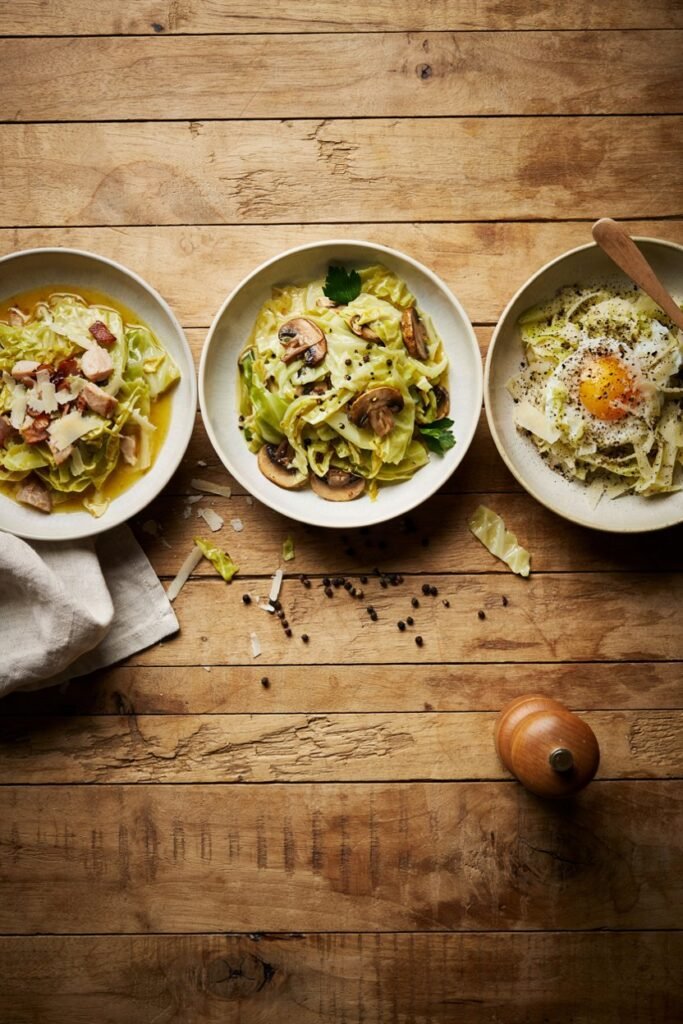
Chicken Cabbage Carbonara. Add diced cooked chicken along with the pancetta for a heartier, more filling version.
Mushroom Version. Add sliced mushrooms with the cabbage for extra texture and an earthy flavor note.
Extra Peppery Version. Double the black pepper if you like a sharper, more traditional Roman-style bite.
Spinach Addition. Stir in a handful of fresh spinach in the last minute of cooking the cabbage for added greens.
What to Serve With It
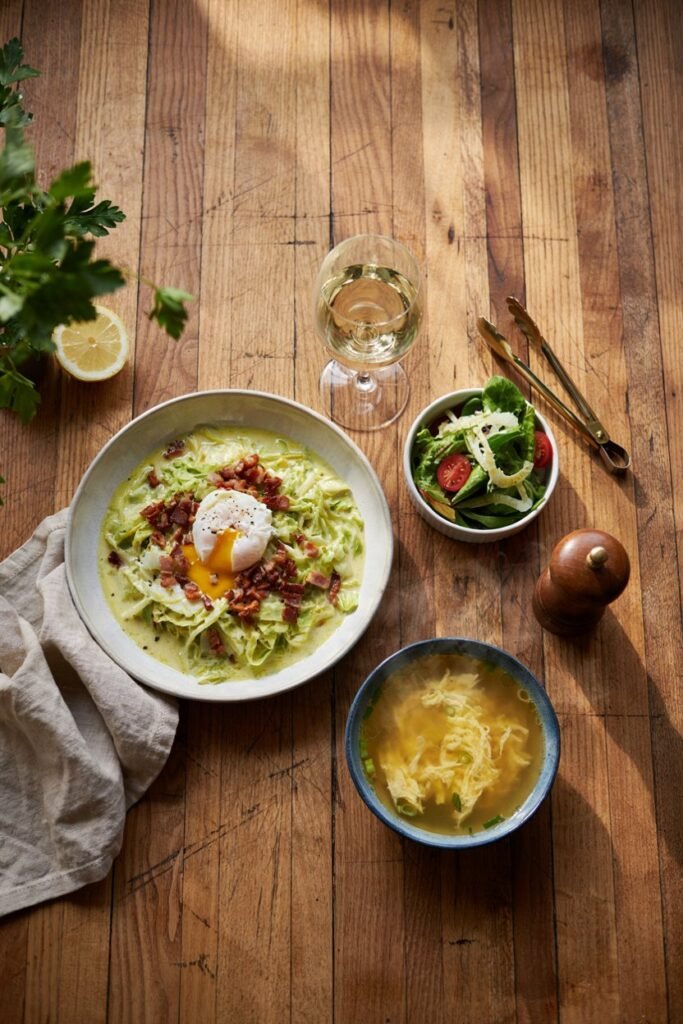
- A simple side salad with a light vinaigrette to cut through the richness
- Garlic roasted low carb vegetables like broccoli or zucchini
- A glass of dry white wine, if you’re serving this for a dinner in
- My keto egg drop soup as a light starter if you want a full multi-course low carb dinner
Storage
Refrigerator. Store leftovers in an airtight container for up to 2 days. Reheat gently over low heat, adding a small splash of water to loosen the sauce, since it firms up considerably once chilled.
Reheating in the microwave risks the eggs turning rubbery, so a stovetop reheat is worth the extra couple minutes.
Freezer. I don’t recommend freezing this dish, since the egg-based sauce doesn’t hold up well texturally once thawed.
Make Ahead Notes
Prep the cabbage and pancetta up to 2 days ahead and store them separately in the fridge, along with pre-grating your cheese.
The actual cooking and combining should happen right before serving, since the finished dish doesn’t wait well once assembled.
Frequently Asked Questions
Can I use a different vegetable instead of cabbage? Thinly sliced zucchini noodles work as an alternative, though they release even more water than cabbage, so you’ll want to salt and drain them briefly before cooking.
Is this actually similar to real carbonara? Yes, the technique and core ingredients are the same as traditional carbonara. The cabbage is standing in for the pasta, but the egg sauce method and overall flavor profile stay true to the original.
Why did my dish turn out scrambled instead of saucy? This is almost always a heat issue. The pan needs to be off direct heat before the eggs are added, and constant tossing is essential to prevent any one spot from getting hot enough to scramble the eggs.
Can I make this ahead for meal prep? Not well, unfortunately. The egg sauce is best enjoyed immediately. Prepping the cabbage and pancetta ahead of time is the better strategy for saving time on a busy night.
How thin should I slice the cabbage? Aim for something close to the thickness of fettuccine noodles. Thicker slices won’t soften properly or mimic the pasta texture well.
Final Thoughts
This turned into one of my favorite ways to prove that low carb eating doesn’t have to mean giving up genuinely indulgent, technique-driven dishes.
Once you’ve got the egg-tempering method down, this comes together just as easily as traditional carbonara, and it satisfies that craving without derailing anything.
If you’re building out a low carb Italian-inspired dinner rotation, my best vegan chili is on the opposite end of the flavor spectrum but gets requested just as often in my house.
If you make this, let me know how thin you sliced your cabbage, and whether the sauce came together the way you hoped.

Low Carb Cabbage Carbonara
Ingredients
Method
- Slice the cabbage as thinly as possible, close to the thickness of fettuccine noodles.
- Whisk together eggs, parmesan, pecorino if using, and black pepper. Set aside at room temperature.
- Cook diced pancetta in a dry skillet over medium heat for 6 to 8 minutes, until crisp, rendering its fat.
- Add sliced cabbage and garlic to the pan. Cook 6 to 8 minutes, stirring frequently, until softened.
- If excess liquid pools in the pan, let it reduce for a minute or two uncovered.
- Remove pan from heat completely, let sit 30 seconds, then pour in egg mixture, tossing constantly with tongs.
- If the sauce is too thick, add a splash of reserved pan liquid, tossing constantly, until glossy.
- Serve immediately, topped with extra cheese and black pepper.
Notes
- Taking the pan off heat before adding eggs is the single most important step; skipping this scrambles the eggs.
- Slice cabbage thin to properly mimic a pasta-like texture.
- Best eaten immediately; the sauce firms up as it sits and doesn’t reheat or freeze well.