How to Make Tofu Taste Like Chicken (Best Taste and Texture)
I spent way more time than I’d like to admit troubleshooting bland, spongy tofu before I figured out that the “chicken-like” thing everyone talks about isn’t really about one trick.
It’s a combination of three separate things: the right prep to change the texture, a marinade that actually penetrates instead of just coating the surface, and a seasoning blend built around savory, umami flavors instead of just salt and pepper.
Once I started treating tofu prep as a real multi-step process instead of just tossing cubes in a pan, the difference was honestly kind of shocking.

Properly prepped tofu has a chew and a savoriness that gets genuinely close to chicken, close enough that it’s convinced people at my table who weren’t expecting tofu at all.
This isn’t a single recipe so much as a full method, the techniques and reasoning behind why tofu can taste and feel so different depending on how you handle it, plus a base recipe at the end you can build from.
Why This Method Works
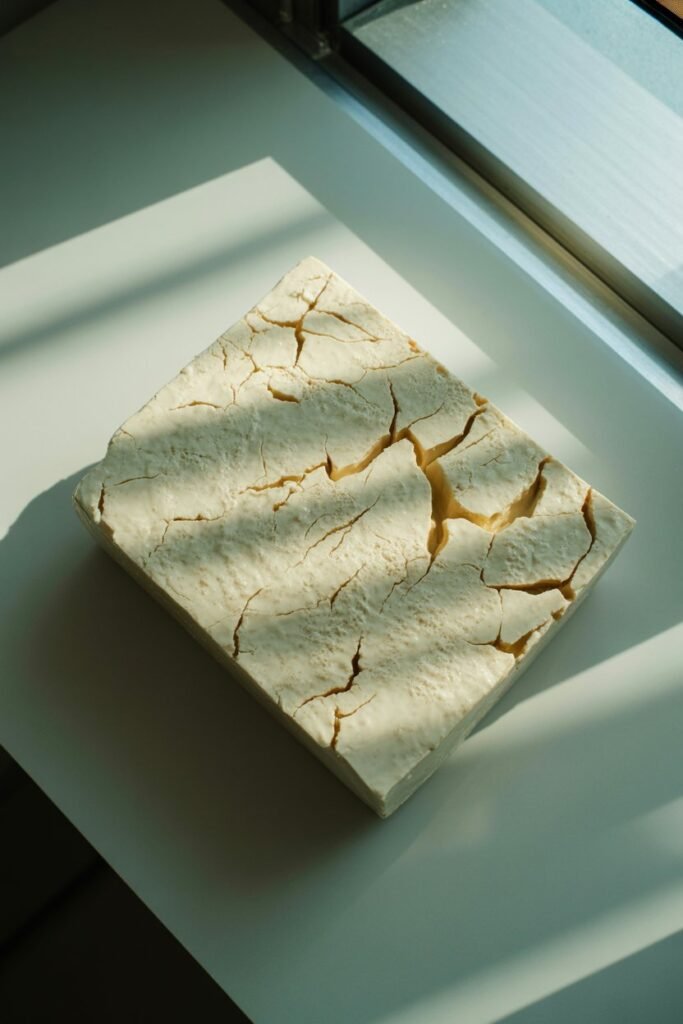
Freezing changes the texture at a structural level. Freezing and thawing tofu breaks down its internal water structure, creating a slightly spongy, more porous texture that absorbs marinade far better than fresh tofu and chews more like meat once cooked.
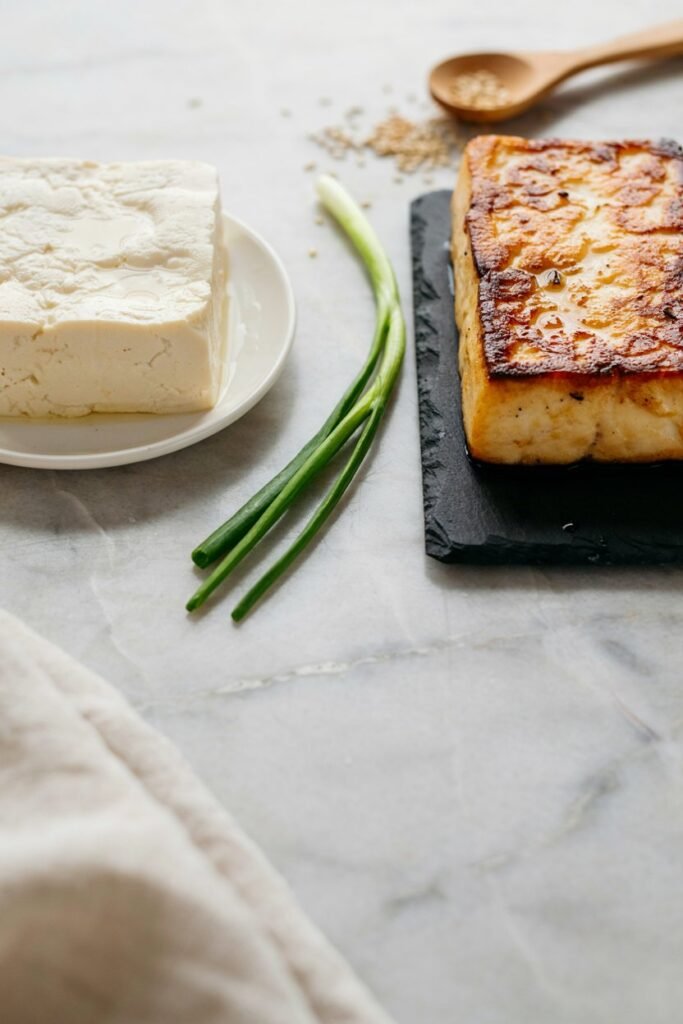
Pressing removes the water that dilutes everything else. Tofu is packed in water, and skipping a proper press means that water is still sitting inside the tofu, diluting your marinade and preventing a good sear or crisp exterior.
The right seasoning blend does most of the flavor work. Nutritional yeast, garlic and onion powder, and a good vegetable or “chicken-style” bouillon bring the savory, umami depth that makes tofu taste like something roasted and seasoned, rather than plain and bland.
What Actually Changes the Texture
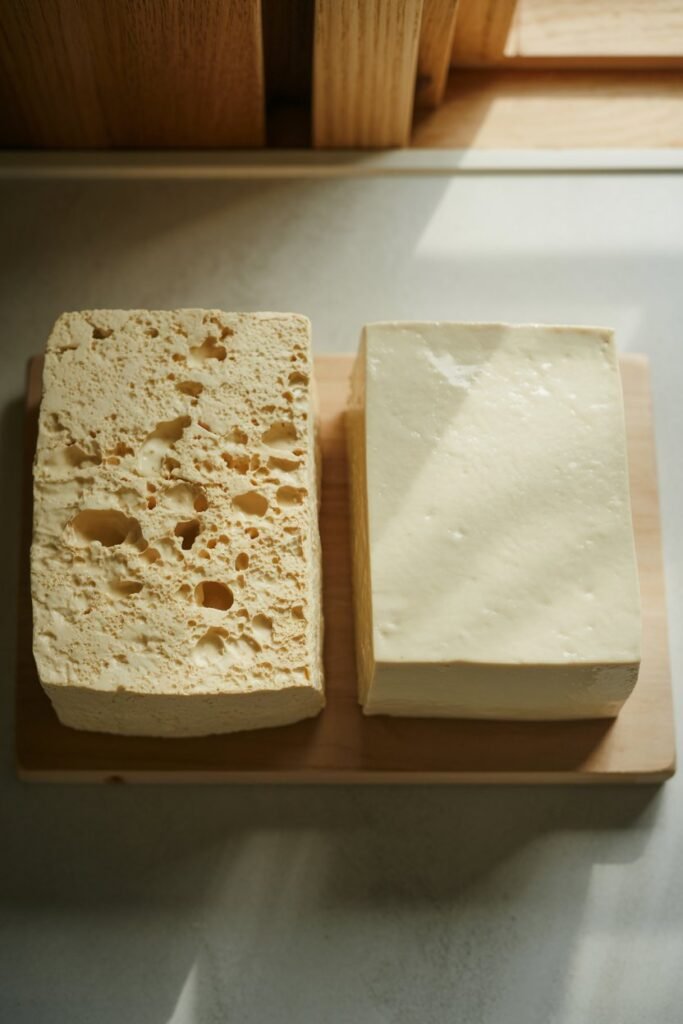
The freeze-thaw method is the single biggest texture change you can make, and it’s worth understanding why it works.
When tofu freezes, the water inside forms ice crystals that expand and rupture some of the tofu’s internal structure.
Once thawed, that structure doesn’t spring back the same way, leaving behind a slightly more porous, chewier texture with visible small holes throughout, similar in a way to the fibrous texture of meat.
Pressing solves a different problem. Even after freezing and thawing, tofu holds a significant amount of water, and pressing it out, ideally for 20 to 30 minutes under real weight, is what allows the tofu to actually absorb a marinade instead of just sitting in liquid on the surface.
It also matters hugely for browning, since a wet surface steams in a hot pan instead of searing.
The Techniques
Freezing and Thawing (For Chewier Texture)
Freeze a block of extra-firm tofu, still in its packaging or wrapped well, for at least 24 hours, though a few days works even better. Thaw it completely, either overnight in the fridge or with a quicker method like submerging the sealed block in warm water for about 20 minutes.
Pressing (For Better Absorption and Browning)
Whether or not you’ve frozen it, press your tofu for 20 to 30 minutes using a tofu press, or a heavy stack of books on top of a tofu block wrapped in a clean towel over a plate. You should notice a real difference in how much liquid comes out.
Marinating (For Actual Flavor Penetration)
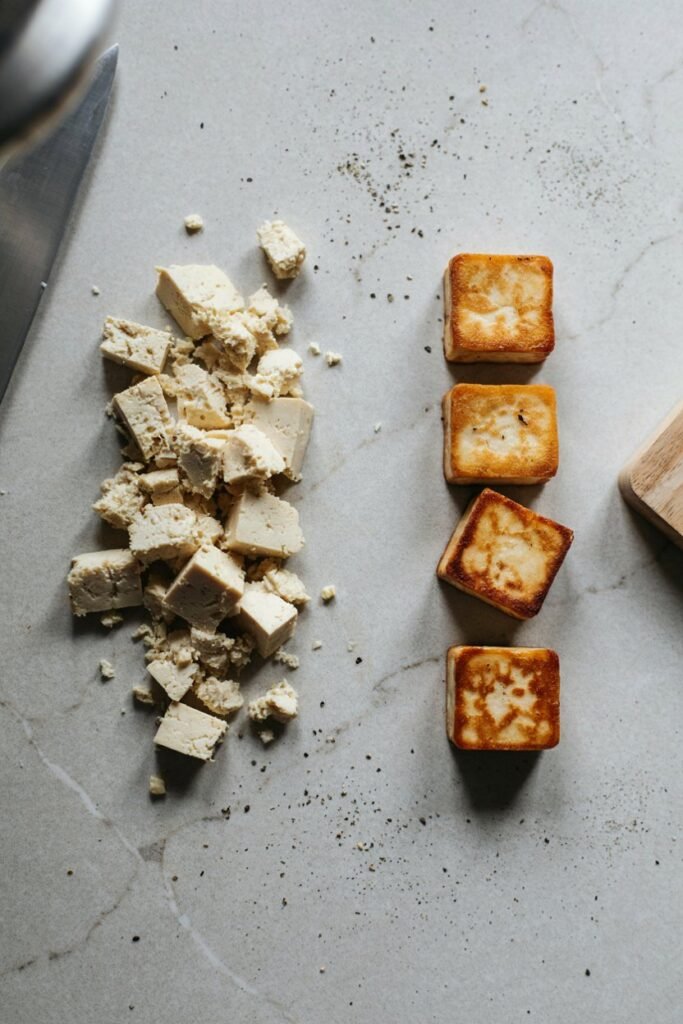
Cut or tear the pressed tofu into pieces, cubes, strips, or torn chunks (torn pieces actually take on marinade and a more irregular, meat-like appearance better than clean-cut cubes). Marinate for at least 30 minutes, though a few hours or overnight makes a real difference.
Cooking Method
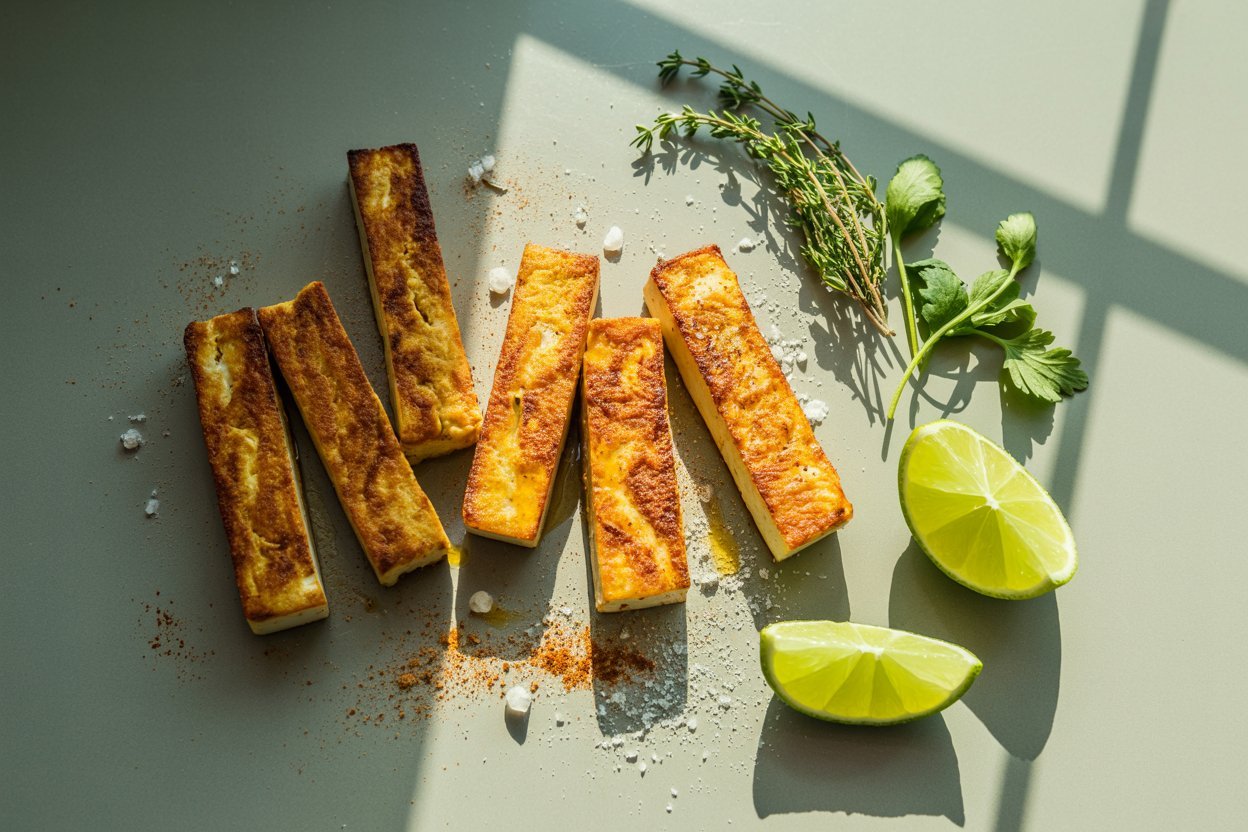
How you cook the tofu after marinating matters almost as much as the marinade itself. Pan-searing in a hot, well-oiled pan without moving the pieces too often creates a genuine crust. Baking at a high temperature on a wire rack allows moisture to escape on all sides. Air frying gets you close to pan-searing results with less hands-on attention.
Ingredients for the Base Marinade and Seasoning
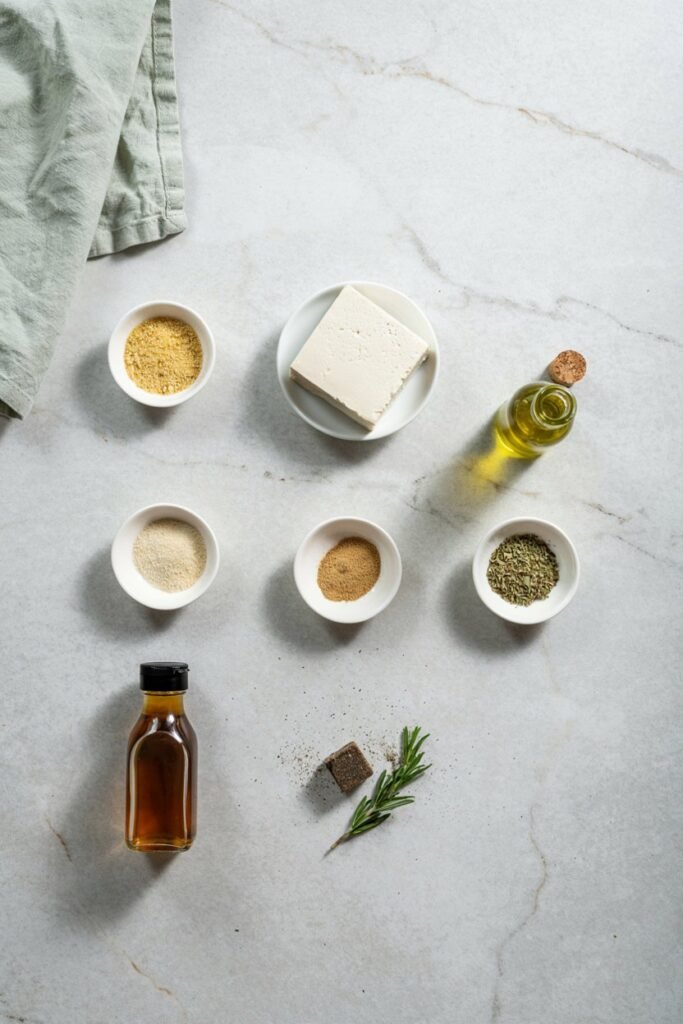
- Extra-firm tofu, frozen, thawed, and pressed.
- Vegetable broth or “chicken-style” vegan bouillon, dissolved in a small amount of hot water. This is doing a lot of the savory, meaty-tasting work in the marinade.
- Soy sauce or tamari. Adds saltiness and umami depth.
- Nutritional yeast. A key ingredient for a savory, slightly cheesy, umami-rich flavor that reads as “roasted and seasoned” rather than plain.
- Garlic powder and onion powder. For aromatic depth.
- Poultry seasoning or a mix of dried sage, thyme, and rosemary. This specific blend of herbs is strongly associated with the flavor of cooked chicken, so leaning into it here does real work.
- Olive oil. Helps the marinade adhere and assists with browning during cooking.
- Black pepper, to taste.
Substitutions I’ve Actually Tested
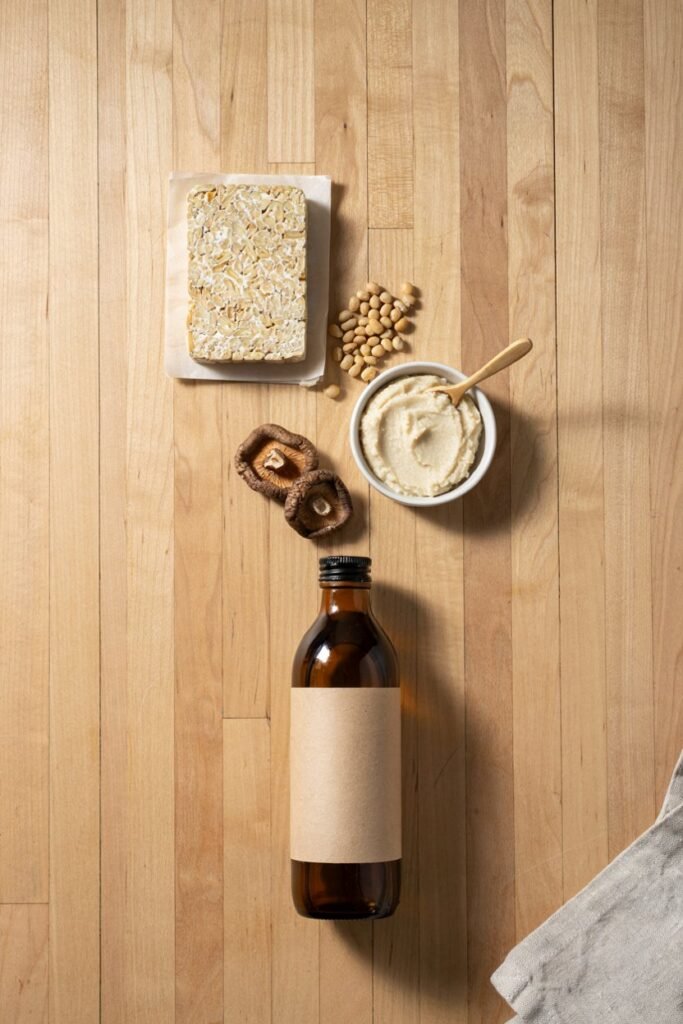
No bouillon on hand? A concentrated vegetable broth works, though the flavor will be a touch less rich and savory.
Don’t want to freeze the tofu? Skipping the freeze step still works fine for flavor purposes, you’ll just get a slightly less chewy, more traditionally soft tofu texture.
No nutritional yeast? A small amount of white miso paste in the marinade adds a different but still effective umami depth.
Want a smokier flavor? Add a touch of smoked paprika or a few drops of liquid smoke to the marinade.
Kitchen Tools You’ll Need
- Tofu press, or a stack of heavy books and a clean towel
- Mixing bowl for the marinade
- A resealable bag or shallow dish for marinating
- A well-seasoned or nonstick skillet, for pan-searing
- Baking sheet and wire rack, if baking
- Air fryer, if using that method
How to Make Tofu Taste Like Chicken
Step 1: Freeze and Thaw the Tofu (Optional but Recommended)
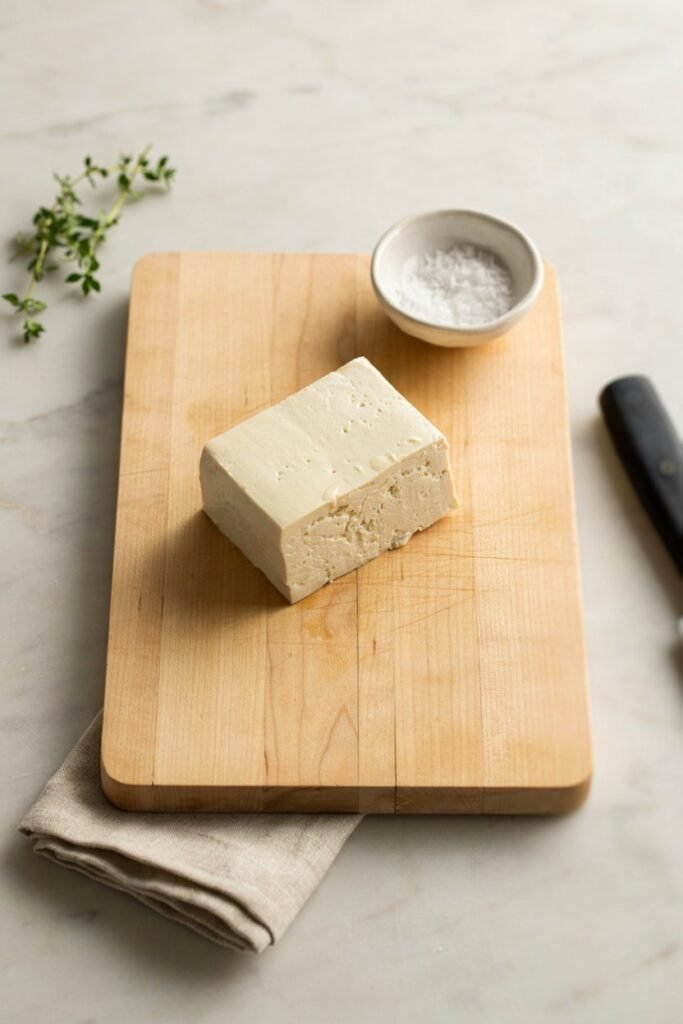
Freeze a block of extra-firm tofu for at least 24 hours, then thaw completely before moving on.
This step changes the internal texture and is the biggest single factor in getting a chewier, more meat-like bite, though it’s optional if you’re short on time or prefer a softer texture.
Step 2: Press the Tofu
Press the thawed (or fresh) tofu for 20 to 30 minutes to remove as much water as possible. You’ll notice a real volume of liquid released, especially if you froze it first.
Step 3: Tear or Cut the Tofu
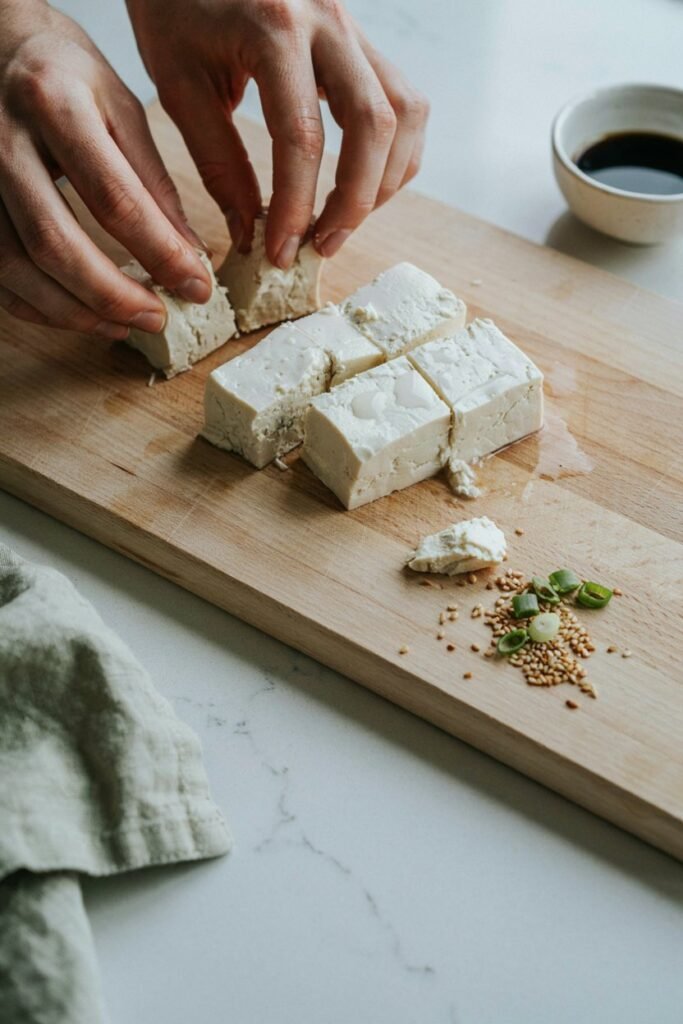
Tear the pressed tofu into irregular pieces by hand, rather than cutting clean cubes, if you want a more meat-like, fibrous appearance and texture.
Clean cuts work fine too if you prefer a more uniform look.
Step 4: Mix the Marinade
Dissolve the bouillon in a small amount of hot water, then whisk in the soy sauce, nutritional yeast, garlic powder, onion powder, poultry seasoning, olive oil, and black pepper until combined.
Step 5: Marinate
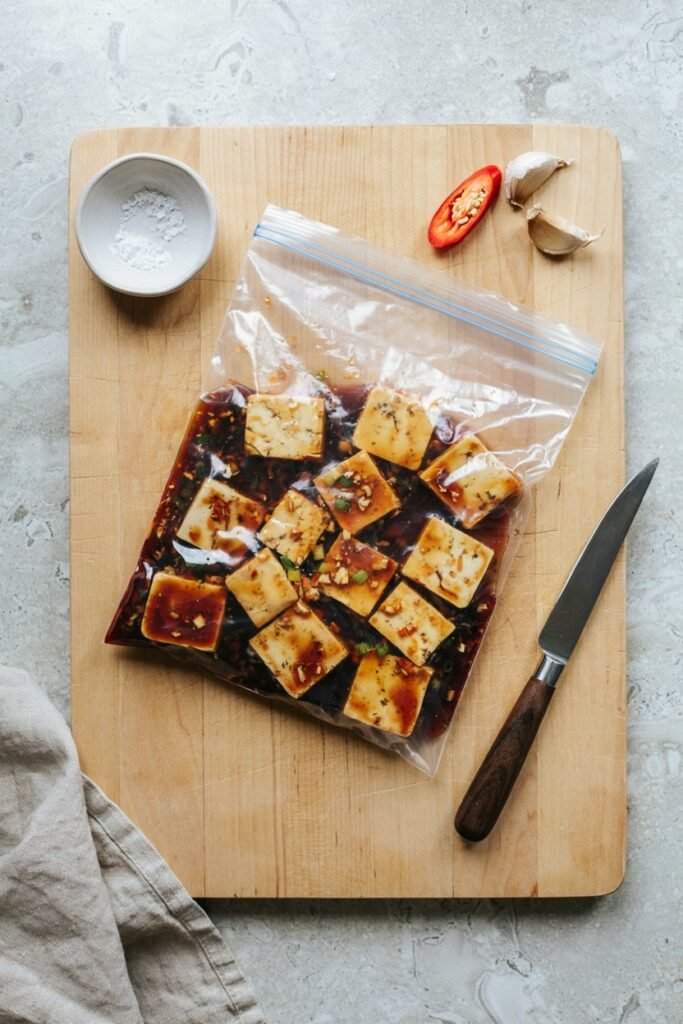
Add the tofu pieces to the marinade in a resealable bag or shallow dish, making sure everything is well coated.
Marinate for at least 30 minutes at room temperature, or several hours to overnight in the fridge for deeper flavor.
Step 6: Cook
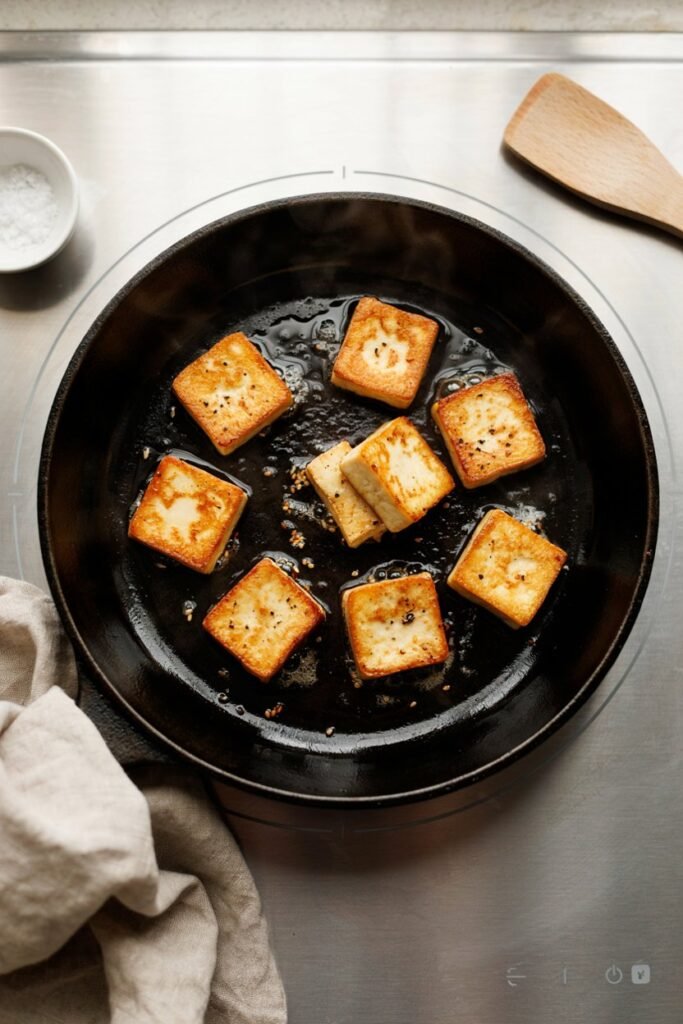
For pan-searing: heat a well-oiled skillet over medium-high heat and cook the tofu pieces without moving them too often, about 3 to 4 minutes per side, until a real golden crust forms.
For baking: arrange the tofu on a wire rack over a baking sheet and bake at 425°F for 20 to 25 minutes, flipping halfway, until golden and slightly crisp at the edges.
For air frying: cook at 400°F for 12 to 15 minutes, shaking the basket halfway through.
Step 7: Rest Briefly Before Serving
Let the cooked tofu sit for a couple of minutes before serving. This isn’t strictly necessary the way it is with meat, but it does let the exterior firm up slightly for a better bite.
Tips From Making This More Times Than I’ll Admit
- Don’t skip the pressing step, even if you froze the tofu first. Freezing doesn’t replace pressing, they solve different problems.
- Tear instead of cut if texture matters to you. It genuinely changes how the tofu looks and feels once cooked.
- Don’t move the tofu too much while pan-searing. Constant flipping prevents a real crust from forming.
- Marinate longer than feels necessary. Tofu takes longer to absorb flavor than meat does, so a rushed 10-minute marinade won’t get you very far.
- Use a well-seasoned or genuinely nonstick pan. Tofu will stick and tear apart in a poorly seasoned pan before it has a chance to develop a crust.
Mistakes I’ve Made So You Don’t Have To
Skipping the press because I’d already frozen the tofu. Assumed freezing alone would handle the water content. It didn’t, and the tofu steamed instead of browning in the pan.
Cutting the tofu into perfectly clean cubes when I wanted a meat-like texture. The texture was fine, but visually it never quite read as “chicken-like” the way torn pieces did.
Rushing the marinade time to 10 minutes because I was hungry. The flavor barely penetrated past the surface.
Flipping the tofu constantly while pan-searing, out of habit from cooking other proteins. Never got a real crust, just pale, slightly dry pieces.
Troubleshooting
My tofu still tastes bland after marinating. This usually means the marinade time was too short, or the tofu wasn’t pressed well enough to actually absorb it. Extend the marinade time, and make sure you’re starting with tofu that’s been pressed thoroughly.
My tofu fell apart during cooking. This can happen with tofu that wasn’t pressed enough, since excess internal moisture weakens its structure, or from moving it around too much in the pan before a crust had time to form.
The texture is still soft, not chewy. This usually means the freeze-thaw step was skipped. If a chewier texture is what you’re after, that step is the one that actually changes the tofu at a structural level, nothing else quite replicates it.
My tofu didn’t get a good crust. Check that it was pressed well and that your pan is properly hot before adding the tofu. A pan that’s not hot enough, or tofu that’s still holding excess moisture, will steam rather than sear.
The flavor tastes more like soy sauce than “chicken.” Balance the soy sauce down slightly and increase the nutritional yeast and poultry seasoning, since those two are doing the specific work of reading as “savory roasted poultry” rather than just salty.
Ways to Use This
- Sliced over a salad in place of grilled chicken
- Diced into a stir fry
- Sliced for a sandwich or wrap
- Served alongside mashed potatoes and gravy for a comfort food plate
- Cubed into a soup or stew in place of chicken
Storage
Refrigerator. Store cooked, seasoned tofu in an airtight container for up to 4 days. It reheats well in a pan or air fryer to help restore some of the crisp exterior.
Freezer. Cooked tofu can be frozen for up to 2 months, though the texture softens slightly upon reheating compared to fresh.
Make Ahead Notes
The marinade can be mixed a day in advance and stored in the fridge. Tofu can also be pressed and marinating a full day ahead, since longer marinating time only improves the flavor here.
Frequently Asked Questions
Do I really need to freeze the tofu first? No, it’s optional. It makes a real difference in chewiness, but tofu prepared without freezing still turns out flavorful and enjoyable, just with a softer texture.
What’s the fastest way to thaw frozen tofu? Submerging the sealed block in warm water for about 20 minutes works well if you don’t have time to thaw it overnight in the fridge.
Can I use firm tofu instead of extra-firm? Extra-firm holds up better structurally, especially after freezing and pressing. Firm tofu can work but is more prone to falling apart during cooking.
What gives tofu that specific “chicken-like” flavor? It’s mostly the combination of nutritional yeast, a chicken-style or vegetable bouillon, and classic poultry herbs like sage, thyme, and rosemary, rather than any single ingredient alone.
Can I use this method with tempeh instead of tofu? Tempeh has a naturally firmer, chewier texture already, so you can skip the freezing step, but the marinade and seasoning approach works well on tempeh too.
Final Thoughts
This method took a lot of trial and error to land on, but it fundamentally changed how I think about cooking with tofu.
It’s not about finding one magic ingredient, it’s about actually treating the prep seriously instead of rushing straight to the pan.
If you try this method, let me know which cooking technique you used and how the texture turned out for you.
Base Chicken-Style Seasoned Tofu
Ingredients
Method
- Optionally freeze the tofu block for at least 24 hours, then thaw completely.
- Press the tofu for 20 to 30 minutes to remove excess water.
- Tear or cut the tofu into pieces.
- Dissolve the bouillon in hot water, then whisk in soy sauce, nutritional yeast, garlic powder, onion powder, poultry seasoning, olive oil, and black pepper.
- Marinate the tofu for at least 30 minutes, or up to overnight in the fridge.
- Cook using your preferred method: pan-sear 3 to 4 minutes per side, bake at 425°F for 20 to 25 minutes, or air fry at 400°F for 12 to 15 minutes.
- Let rest briefly before serving.
Notes
- Freezing and thawing is optional but creates a noticeably chewier, more meat-like texture.
- Pressing is essential regardless of whether you freeze the tofu first.
- Tearing instead of cutting creates a more meat-like appearance and texture.
- Marinating longer significantly improves flavor penetration.